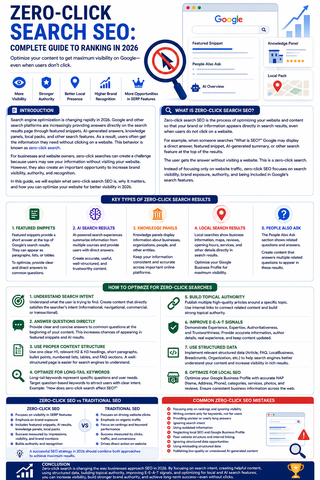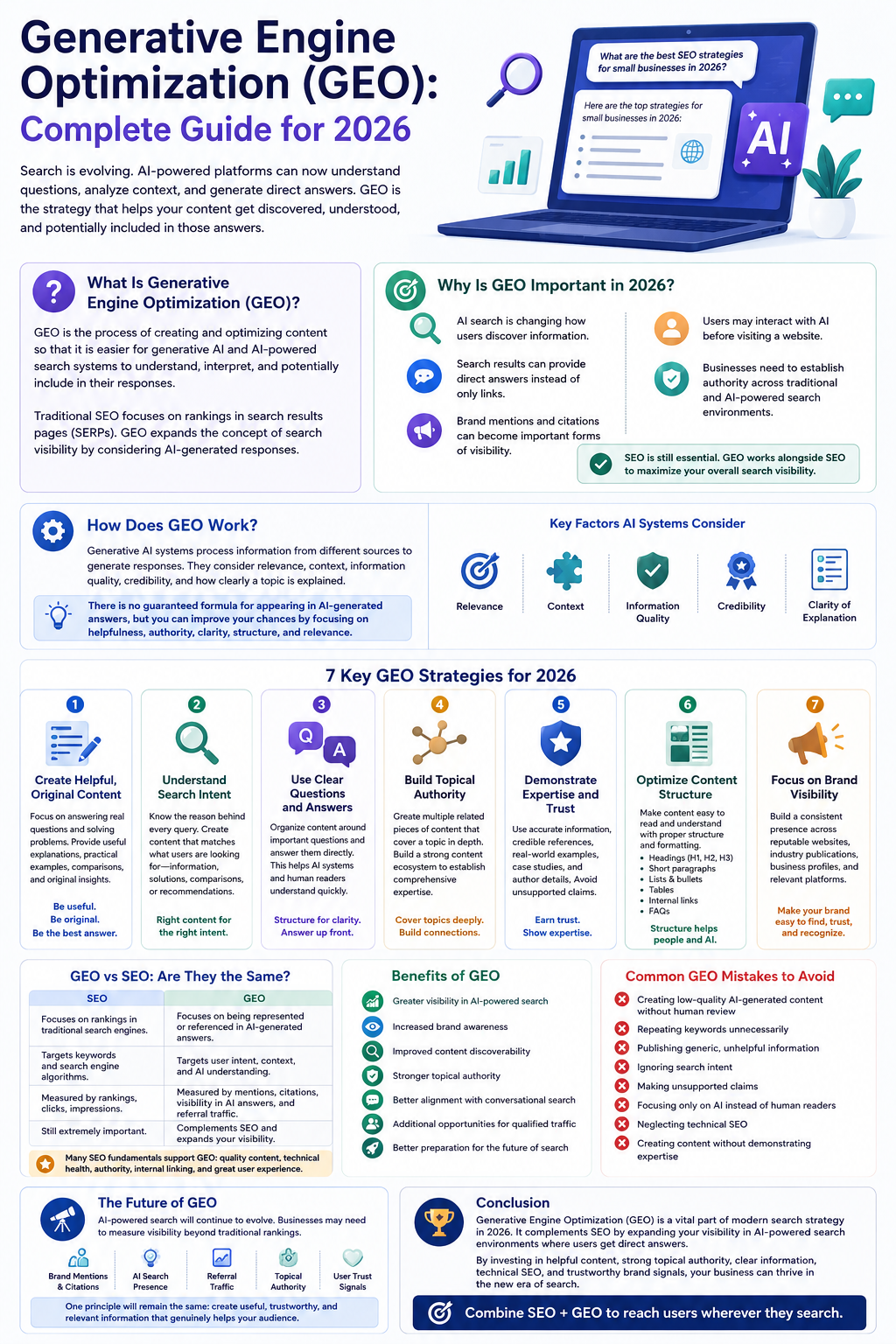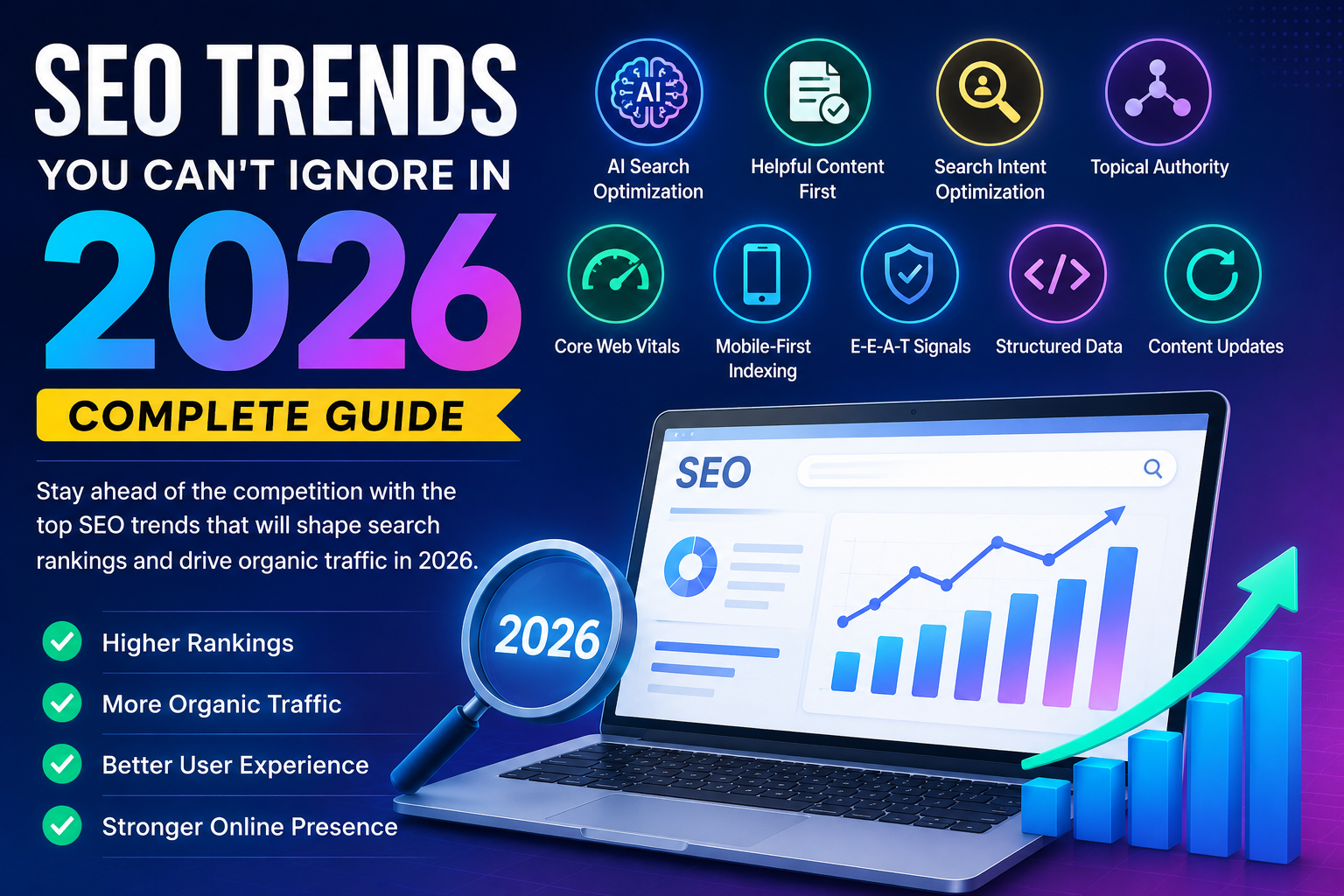

Search is changing rapidly in 2026. Traditional search engines are no longer the only way people discover information online. AI-powered platforms and search experiences can understand questions, summarize information, compare different sources, and provide direct answers to users.
This shift has created a new area of SEO known as LLM SEO.
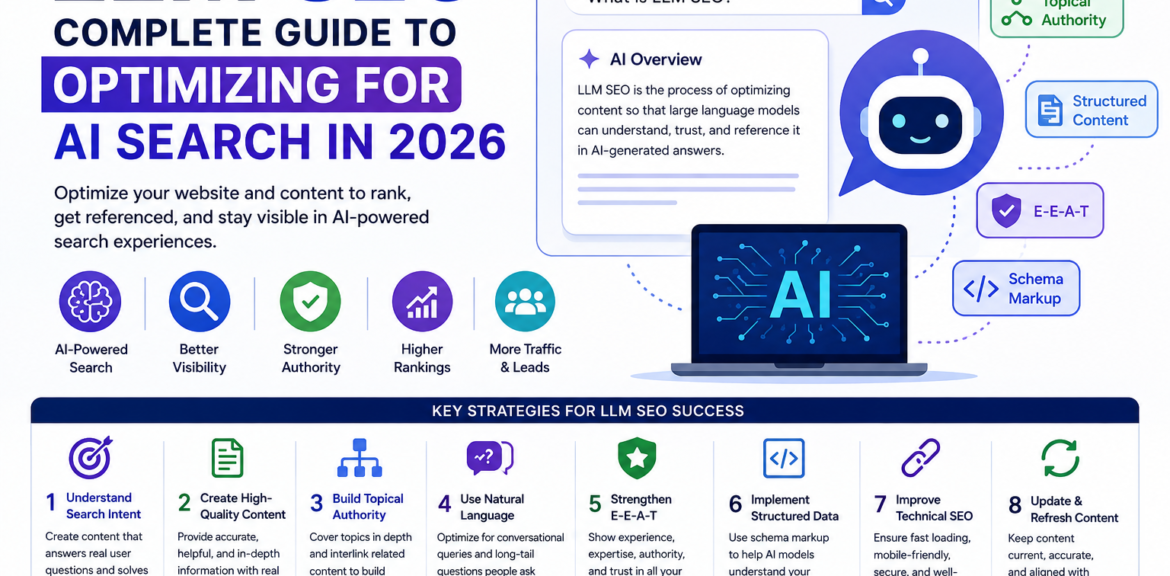
LLM SEO focuses on optimizing content so that Large Language Models (LLMs) can understand, interpret, and potentially use a website’s information when generating answers. Instead of optimizing only for traditional search engine rankings, businesses now need to consider how their content can become visible across AI-powered search experiences.
In this guide, we will explain what LLM SEO is, why it matters, and how businesses can optimize their websites for AI search in 2026.
What Is LLM SEO?
LLM SEO stands for Large Language Model Search Engine Optimization. It refers to the strategies used to make website content easier for AI systems and language models to understand, identify, and reference.
Traditional SEO focuses on factors such as keywords, backlinks, technical performance, search intent, and rankings.
LLM SEO takes a broader approach. It focuses on:
- Clear and useful information
- Strong topical authority
- Context and entities
- Accurate and trustworthy content
- Natural language
- Well-structured information
- Author expertise
- Consistent information across the web
The goal is not simply to rank for a keyword. It is to make your website a useful and trustworthy source of information that AI systems can understand.
Why Is LLM SEO Important in 2026?
AI-powered search is changing how users interact with search technology. Instead of searching for a keyword and opening several websites, users can ask complete questions and receive summarized answers.
For example, instead of searching:
“best SEO strategies”
a user might ask:
“What are the best SEO strategies for a small business in 2026?”
An AI-powered search experience may provide a detailed answer based on information from multiple sources.
This means businesses need to think beyond traditional rankings and focus on visibility in AI-generated answers and search experiences.
LLM SEO can help businesses improve:
- Brand visibility
- Online authority
- Content discoverability
- Search presence
- Topical relevance
- User trust
- Opportunities to be referenced by AI systems
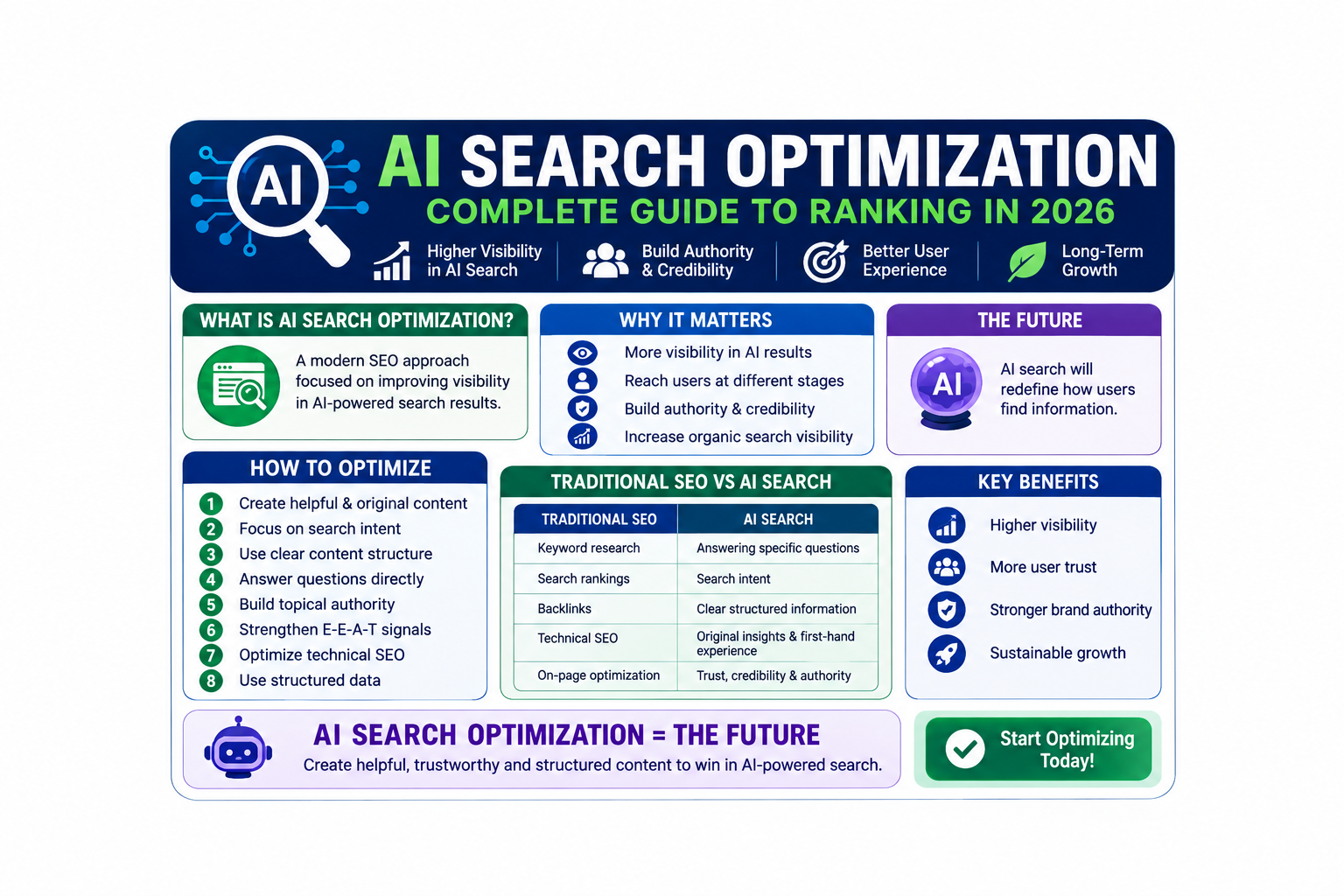
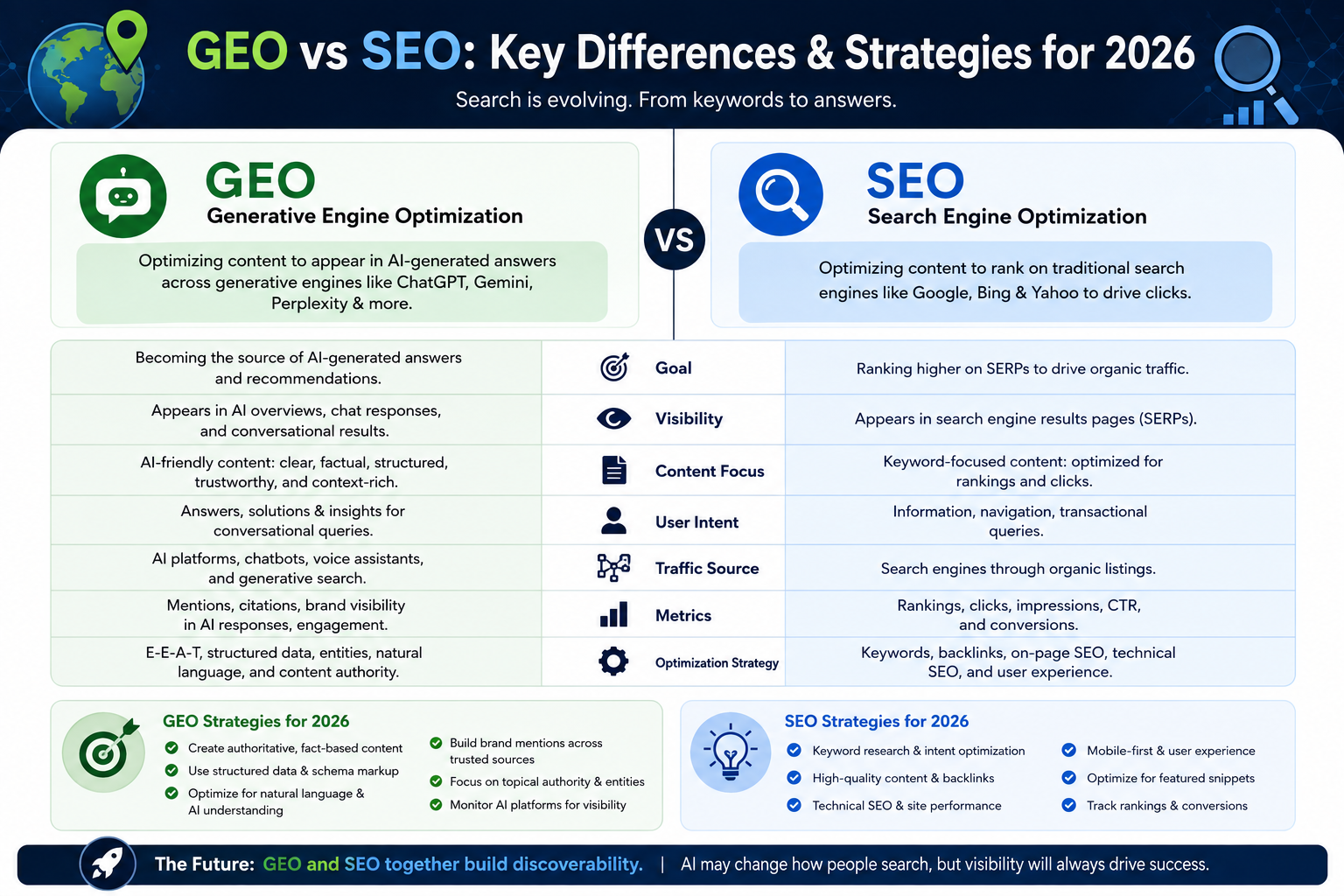
LLM SEO vs Traditional SEO
Traditional SEO and LLM SEO are closely connected, but they have different priorities.
Traditional SEO generally focuses on improving rankings and organic traffic through keywords, technical optimization, backlinks, content quality, and user experience.
LLM SEO focuses more heavily on making information understandable and useful to AI systems.
However, LLM SEO does not replace traditional SEO.
A strong 2026 strategy should combine both approaches. A technically strong website with useful content, clear structure, authority, and good user experience provides a solid foundation for both traditional and AI-powered search.
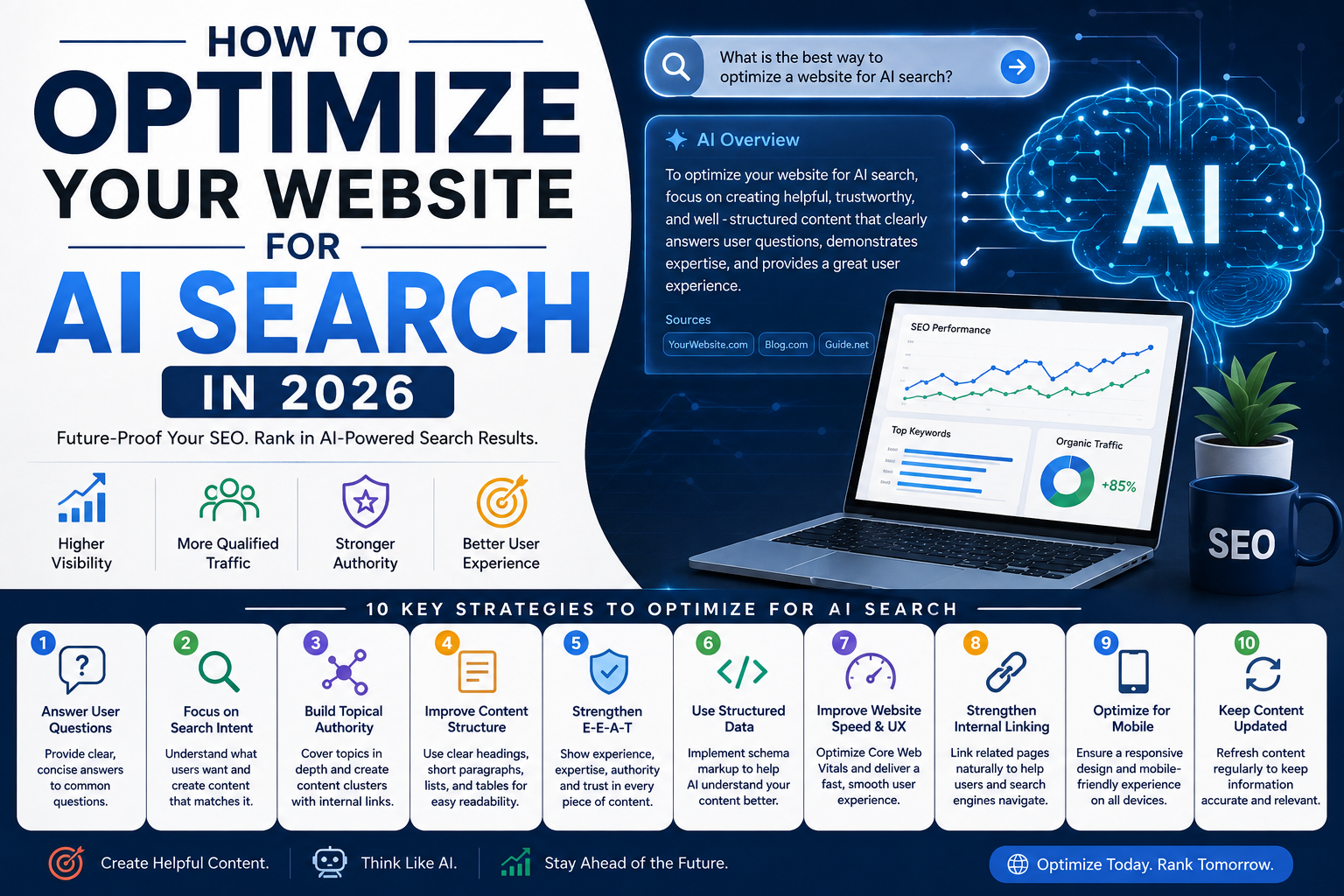
How to Optimize Your Website for LLM SEO
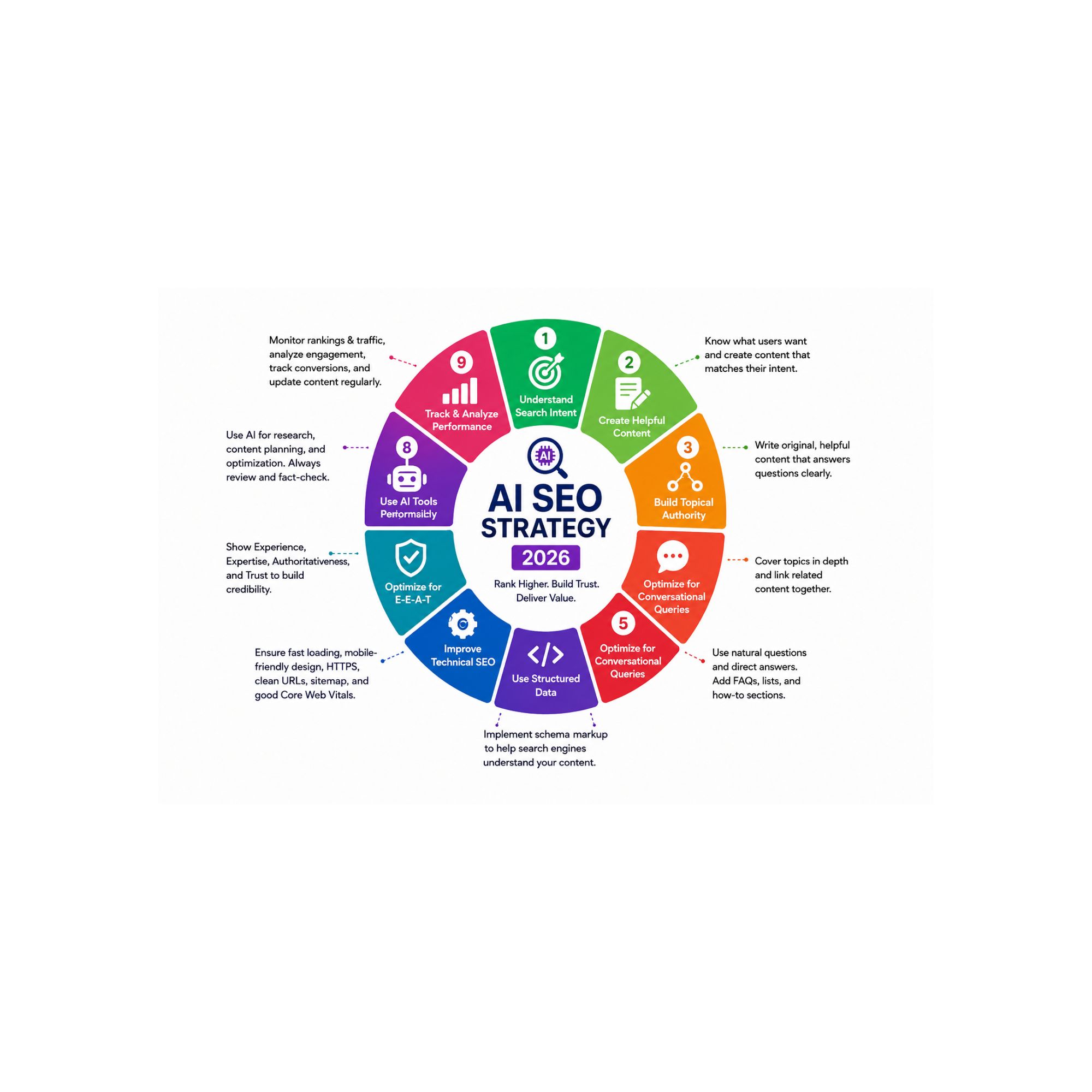
1. Create High-Quality, Helpful Content
Content quality remains one of the most important parts of SEO.
Avoid creating content simply to target keywords. Instead, focus on answering the user’s actual question.
Good content should:
- Provide accurate information
- Answer questions clearly
- Offer useful examples
- Demonstrate expertise
- Avoid unnecessary repetition
- Be regularly updated
Your content should provide real value rather than simply trying to manipulate search algorithms.
2. Focus on Search Intent
Understanding search intent is essential for LLM SEO.
Ask yourself what the user actually wants when searching for a topic.
For example, someone searching for “technical SEO checklist” probably wants practical steps rather than a basic definition.
Create content that matches the user’s specific needs. This increases relevance and makes your content easier to understand in context.
3. Build Topical Authority
LLMs need context to understand a website’s expertise.
Instead of publishing one article about a topic, create a group of related content.
For example, an SEO website could cover:
- Technical SEO
- On-page SEO
- Off-page SEO
- AI SEO
- Semantic SEO
- Entity SEO
- Keyword research
- Internal linking
- Search intent
- Content optimization
Connect these articles with relevant internal links. This creates a strong topical structure and helps search engines understand the relationship between different pages.
4. Use Clear Content Structure
Well-structured content is easier for both users and search systems to understand.
Use:
- One clear H1
- Relevant H2 and H3 headings
- Short paragraphs
- Bullet points
- Numbered lists
- Tables when appropriate
- FAQs
- Descriptive headings
For example, instead of writing one large section about LLM SEO, divide it into sections such as What Is LLM SEO?, Why Does LLM SEO Matter?, and How to Optimize for LLM SEO?
5. Optimize for Natural Language Questions
People increasingly interact with AI search using conversational questions.
Create content that answers questions such as:
- What is LLM SEO?
- How does LLM SEO work?
- How can I optimize content for AI search?
- What is the difference between SEO and LLM SEO?
- How can businesses improve AI search visibility?
Including clear answers to relevant questions can make your content more useful for conversational search.
6. Strengthen E-E-A-T
E-E-A-T stands for Experience, Expertise, Authoritativeness, and Trustworthiness.
These principles are important when creating content that users can trust.
You can strengthen E-E-A-T by:
- Providing accurate information
- Showing relevant author expertise
- Using reliable sources
- Demonstrating first-hand experience
- Keeping information updated
- Adding clear business information
- Avoiding misleading claims
For sensitive or highly important topics, accuracy and trustworthy sourcing become especially important.
7. Improve Entity Optimization
LLMs understand more than individual keywords. They also understand entities and relationships.
For example, instead of repeatedly using the keyword “SEO agency,” clearly explain your business, services, location, expertise, and relationships between relevant topics.
Maintain consistent information about your brand across your website and reputable external platforms.
This can help search systems better understand who you are, what you do, and what topics you are associated with.
8. Use Structured Data
Structured data provides search engines with additional information about webpage content.
Depending on the page, relevant schema types may include:
- Organization
- LocalBusiness
- Article
- Product
- Breadcrumb
- Event
Use structured data accurately and ensure it represents the visible content on the page.
Common LLM SEO Mistakes
Businesses should avoid several common mistakes when optimizing for AI search.
Keyword Stuffing
Repeating keywords excessively can make content unnatural and reduce readability.
Low-Quality AI Content
Using AI to create content is not automatically a problem, but publishing generic, inaccurate, or unedited content can hurt quality.
Lack of Original Information
Content that simply repeats information available everywhere may provide little additional value.
Poor Website Structure
Confusing navigation, unclear headings, and poorly organized content can make information harder to understand.
Ignoring Traditional SEO
LLM SEO should complement—not replace—technical SEO, content optimization, backlinks, internal linking, and other established SEO practices.
The Future of LLM SEO
LLM SEO is likely to become an increasingly important part of digital marketing as AI-powered search continues to develop.
Businesses that consistently publish useful, accurate, structured, and authoritative content can build stronger visibility across different search experiences.
The future of SEO will likely involve a combination of traditional search optimization, AI search optimization, entity understanding, topical authority, and high-quality content.
Conclusion
LLM SEO is becoming an important part of modern search optimization in 2026. As users increasingly use AI-powered search ex