
Introduction
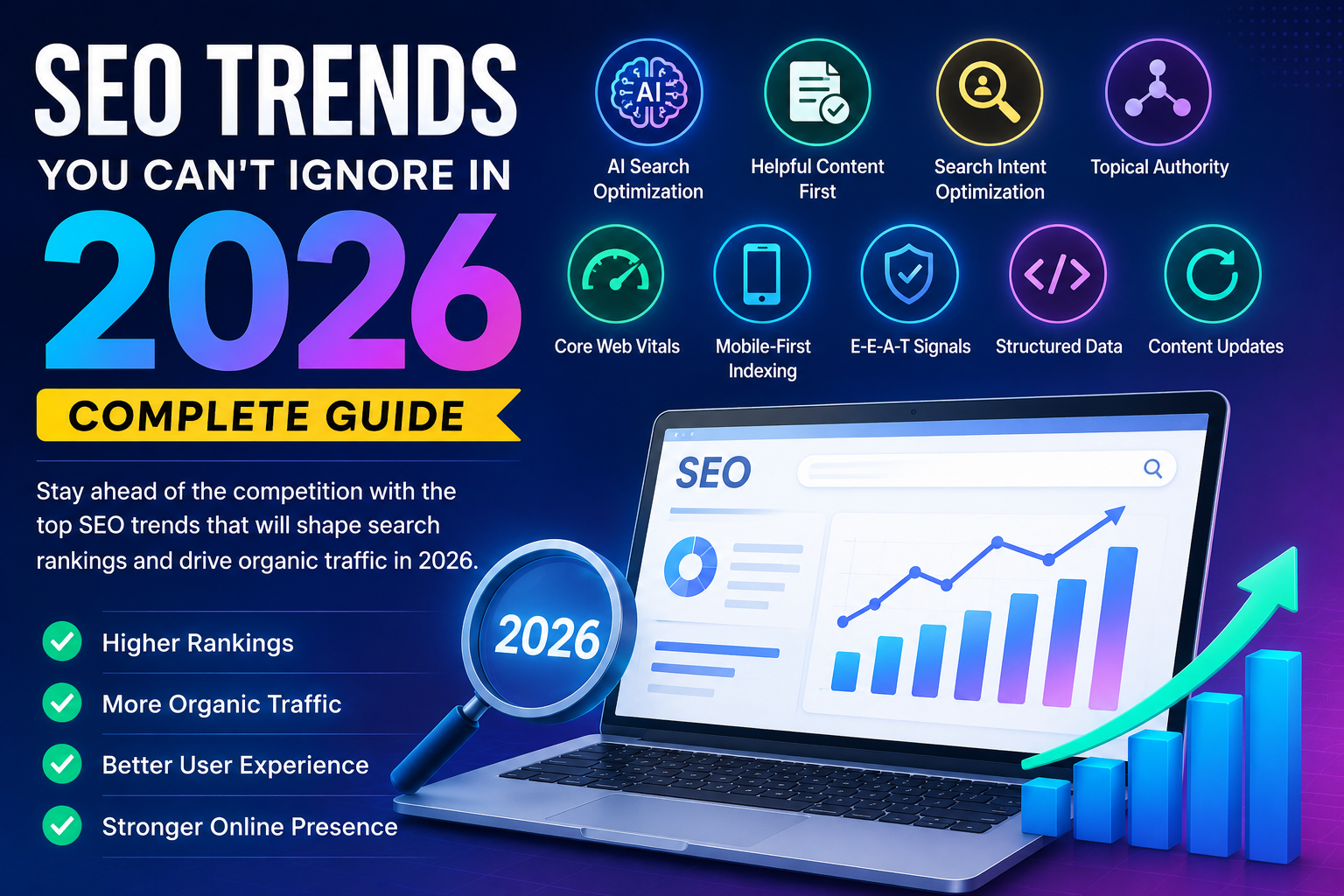
Search engine optimization is changing rapidly in 2026. Google and other search platforms are increasingly providing answers directly on the search results page through featured snippets, AI-generated answers, knowledge panels, local packs, and other search features. As a result, users often get the information they need without clicking on a website.
This behavior is known as zero-click search.
For businesses and website owners, zero-click searches can create a challenge because users may see your information without visiting your website. However, they also create an important opportunity to increase brand visibility, authority, and recognition.
In this guide, we will explain what zero-click search SEO is, why it matters, and how you can optimize your website for better visibility in 2026.
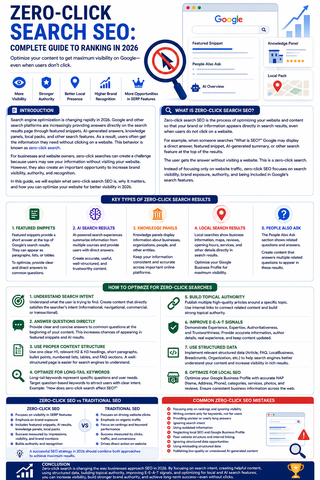
What Is Zero-Click Search SEO?
Zero-click search SEO is the process of optimizing your website and content so that your brand or information appears directly in search results, even when users do not click on a website.
For example, when someone searches:
“What is SEO?”
Google may display a direct answer, featured snippet, AI-generated summary, or other search feature at the top of the results.
The user gets the answer without visiting a website. This is a zero-click search.
Instead of focusing only on website traffic, zero-click SEO focuses on search visibility, brand exposure, authority, and being included in Google’s search features.
Why Is Zero-Click SEO Important in 2026?
Zero-click searches are becoming increasingly important because search engines are providing more direct answers to users.
Businesses should not measure SEO success only through clicks. Impressions, rankings, brand mentions, and visibility in search features can also be valuable.
Some major benefits of zero-click SEO include:
- Increased brand visibility
- Greater search engine exposure
- Improved brand authority
- More opportunities to appear in featured snippets
- Better visibility in local searches
- Increased chances of appearing in AI-generated search results
- Stronger topical authority
A website that consistently appears in search results can build recognition even when users do not immediately click.
Key Types of Zero-Click Search Results
There are several search features that can generate zero-click results.
1. Featured Snippets
Featured snippets provide a short answer at the top of Google’s search results. They can appear as paragraphs, lists, or tables.
To optimize for featured snippets, provide clear and direct answers to common questions.
2. AI Search Results
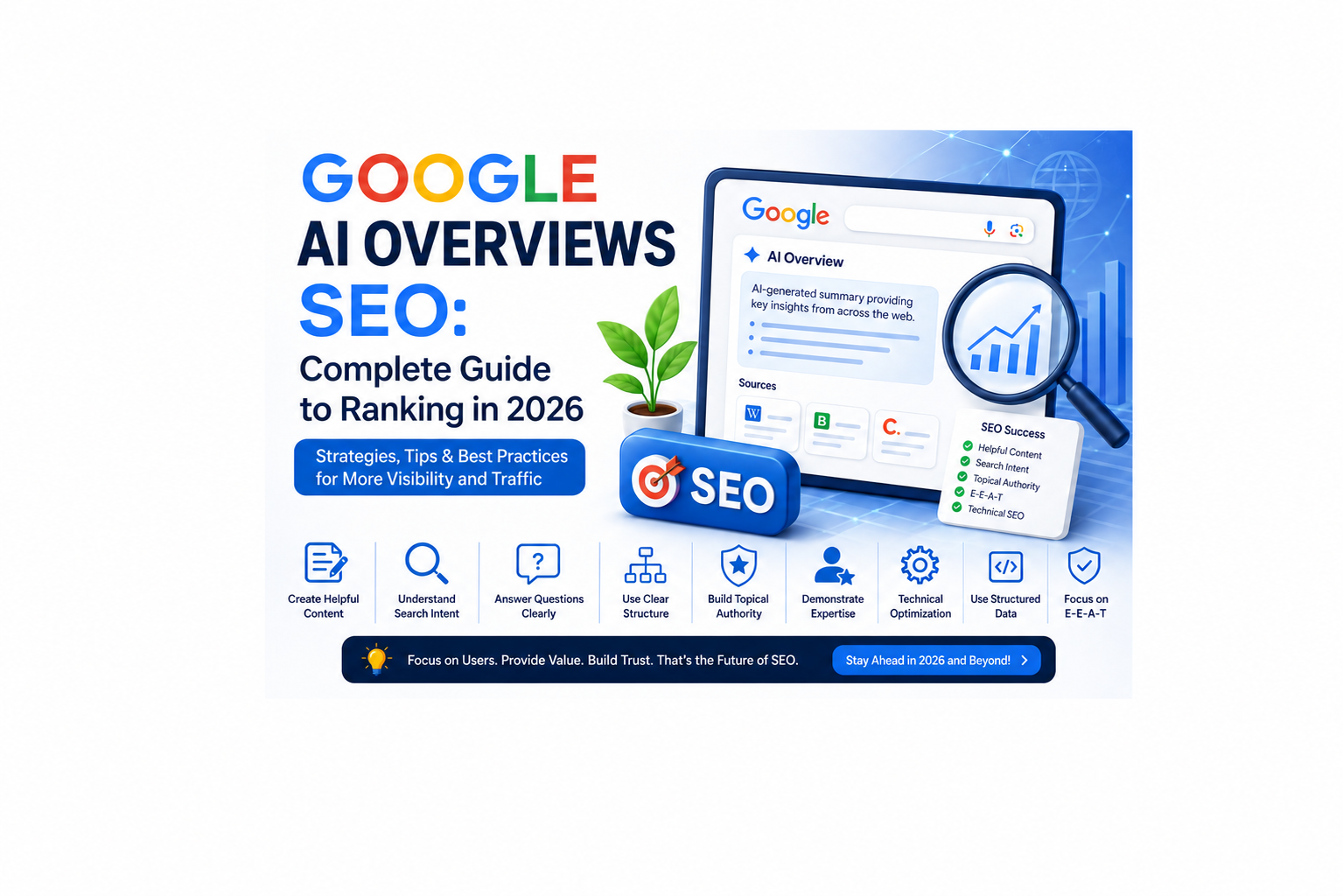
AI-powered search experiences can summarize information from multiple sources and provide users with direct answers.
Creating accurate, useful, well-structured, and trustworthy content can improve your chances of being considered as a source.
3. Knowledge Panels
Knowledge panels display information about businesses, organizations, people, and other entities.
Businesses can improve their presence by maintaining consistent and accurate information across important online platforms.
4. Local Search Results
Local searches can show business information, maps, reviews, opening hours, services, and other details directly in search results.
For local businesses, maintaining an optimized Google Business Profile and consistent business information is important.
5. People Also Ask
The People Also Ask section provides users with related questions and answers.
Creating content that answers multiple related questions can help your website appear in these results.
How to Optimize for Zero-Click Searches
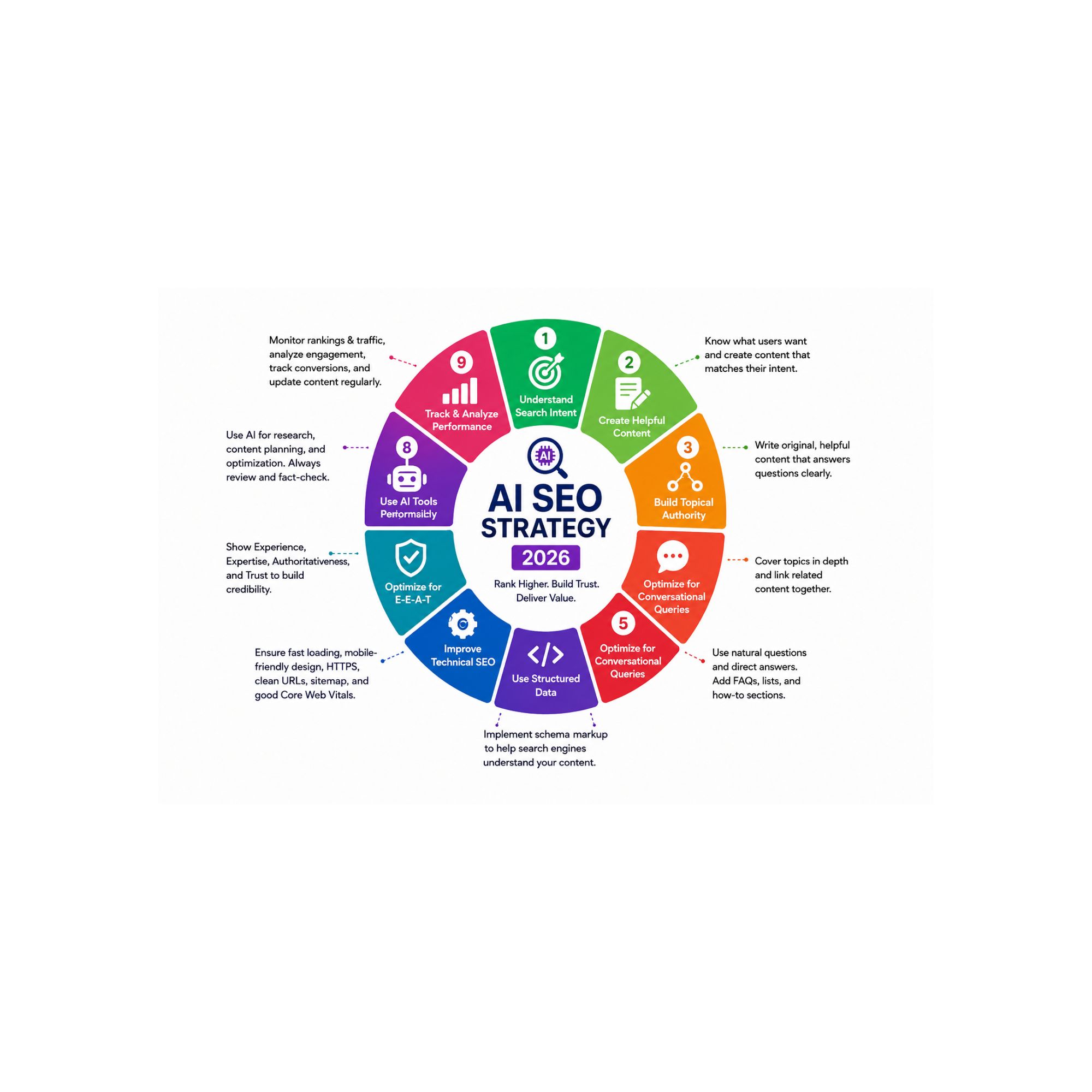
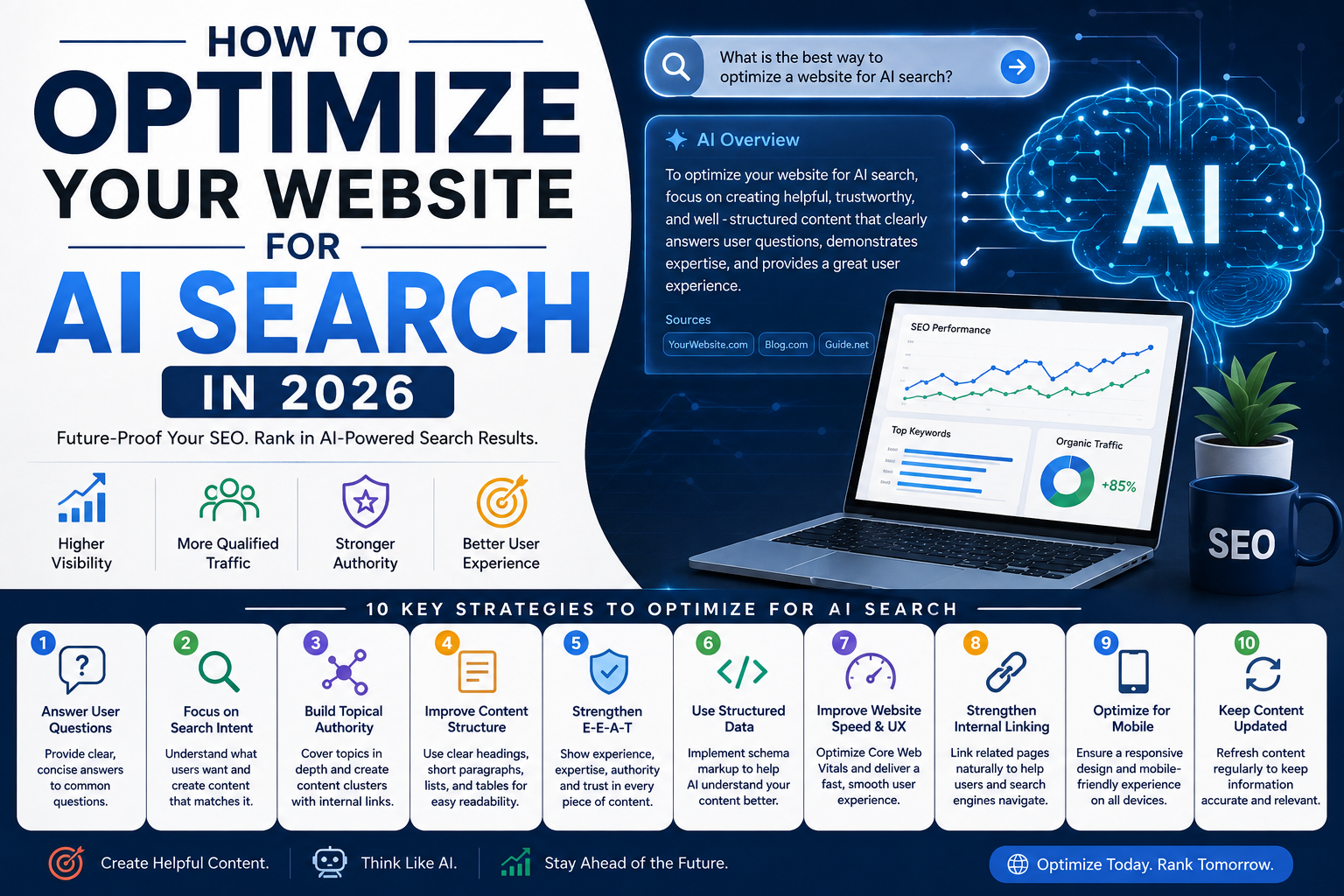
1. Understand Search Intent
Before creating content, understand what the user is trying to find.
Search intent can generally be divided into informational, navigational, commercial, and transactional intent.
Create content that directly satisfies the searcher’s intent instead of simply adding keywords.
2. Answer Questions Directly
One of the easiest ways to optimize for zero-click results is to provide concise answers to common questions.
For example, if your target keyword is “What is technical SEO?”, provide a clear definition immediately after the heading and then explain the topic in more detail.
This makes your content easier for both users and search engines to understand.
3. Use Proper Content Structure
A clear structure helps search engines understand your content.
Use:
- One clear H1 heading
- Relevant H2 and H3 headings
- Short paragraphs
- Bullet points
- Numbered lists
- Tables where useful
- FAQ sections
Well-structured content can improve usability and increase opportunities to appear in search features.
4. Optimize for Long-Tail Keywords
Long-tail keywords often represent specific questions and user needs.
For example:
“How does zero-click search affect SEO?”
is more specific than:
“SEO.”
Create content around relevant long-tail questions to target users with clear search intent.
5. Build Topical Authority
Publishing multiple useful pieces of content around a specific topic can help establish topical authority.
For example, a website focusing on SEO could publish content about:
- AI SEO
- Technical SEO
- Local SEO
- Semantic SEO
- Entity SEO
- Search intent
- Content optimization
- Google AI search
Connect related articles using internal links to create a strong topic cluster.
6. Improve E-E-A-T Signals
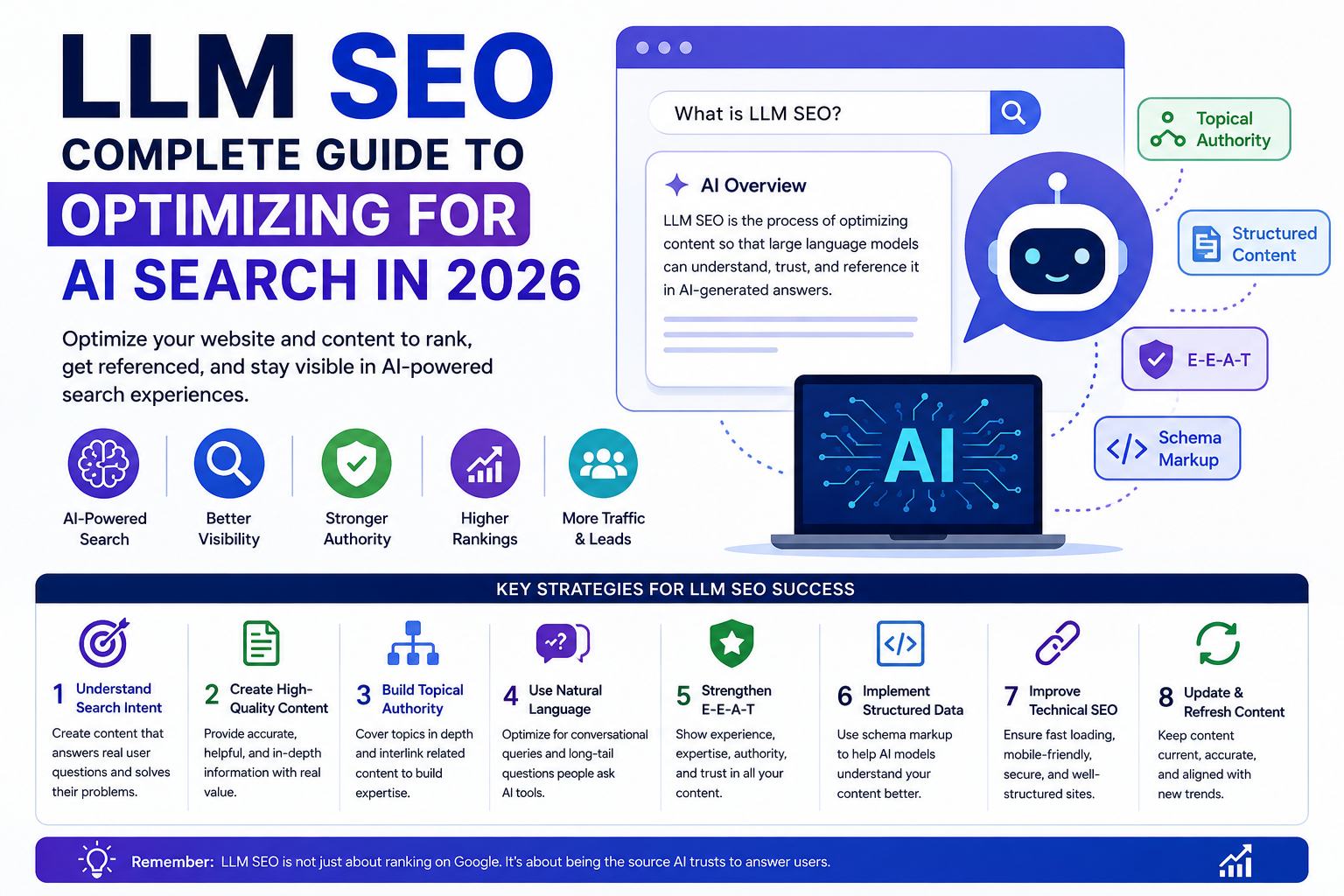
Google emphasizes content that demonstrates experience, expertise, authoritativeness, and trustworthiness.
To improve these signals:
- Provide accurate information
- Include author information where appropriate
- Use trustworthy sources
- Demonstrate real experience
- Keep content updated
- Avoid misleading claims
- Maintain a professional website
High-quality and trustworthy content is especially important for competitive search topics.
7. Use Structured Data
Structured data helps search engines understand the information on a webpage.
Depending on the content, relevant structured data can include:
- Article
- Breadcrumb
- Organization
- LocalBusiness
- Product
- Event
- FAQ
Use structured data only when it accurately represents the visible content and follows Google’s guidelines.
8. Optimize for Local SEO
If you operate a local business, zero-click visibility can be extremely valuable.
Optimize your Google Business Profile with accurate:
- Business name
- Address
- Phone number
- Business category
- Services
- Opening hours
- Photos
Encourage genuine customer reviews and maintain consistent business information across the web.
Zero-Click SEO vs Traditional SEO
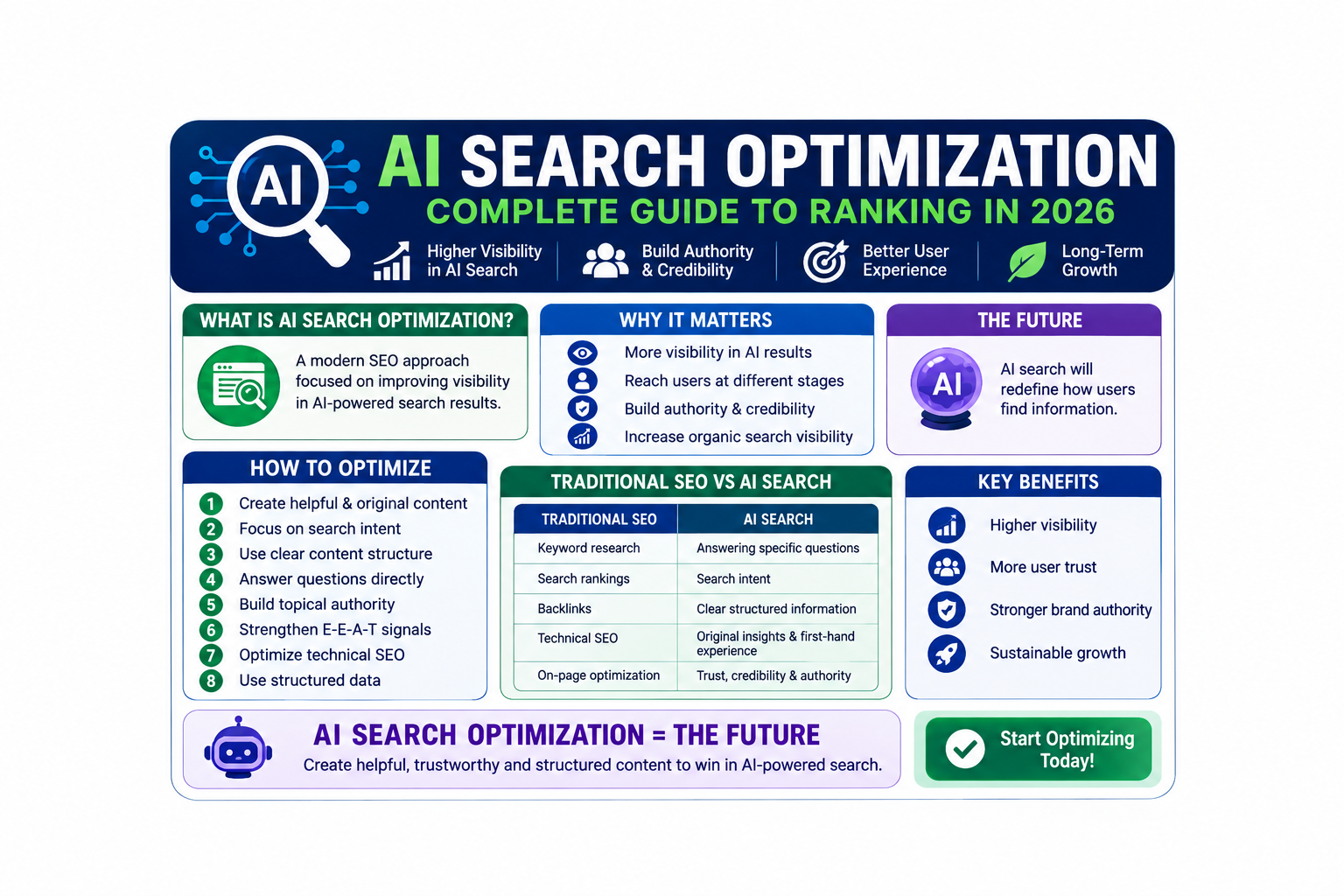
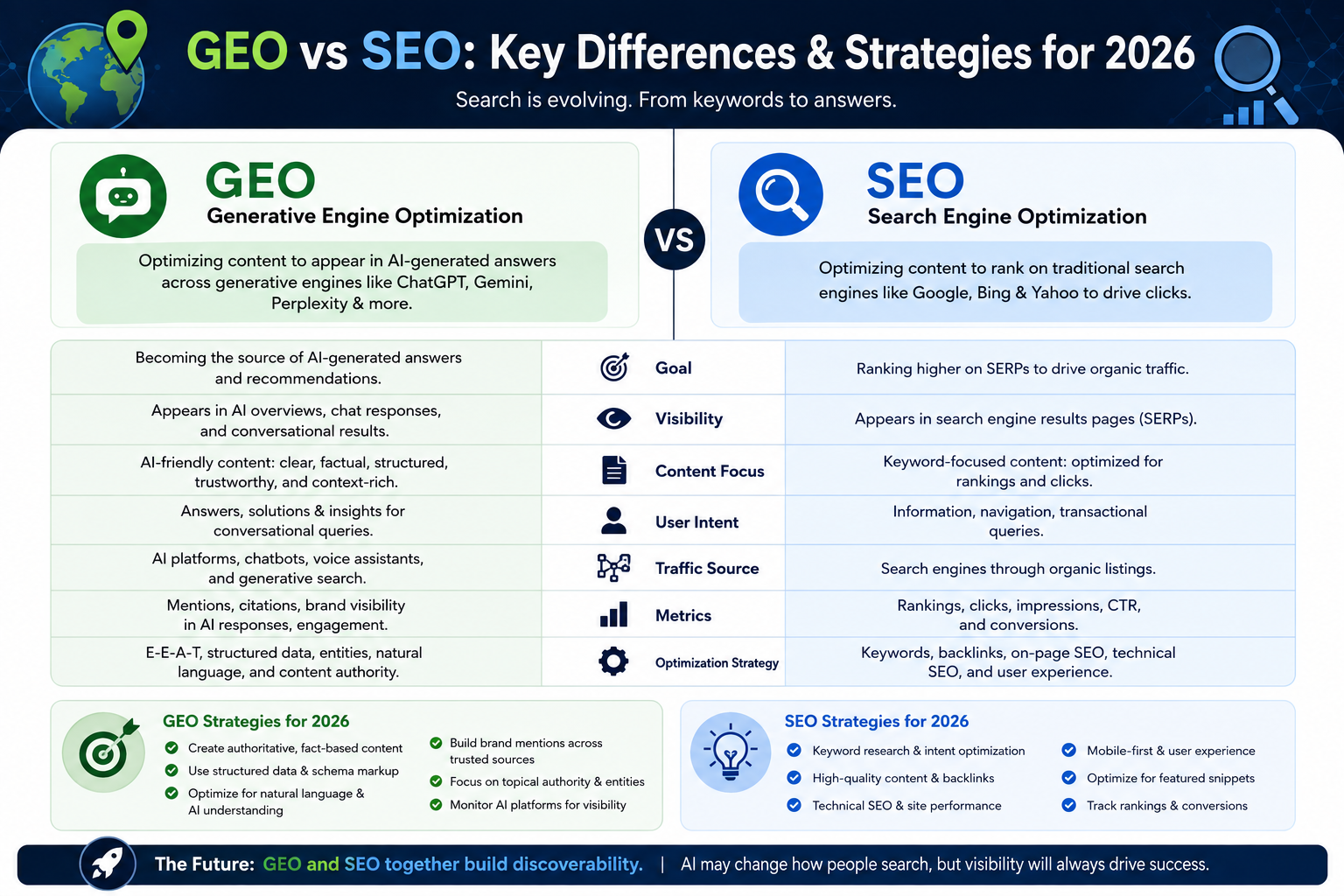
Traditional SEO often focuses heavily on increasing organic website clicks and traffic.
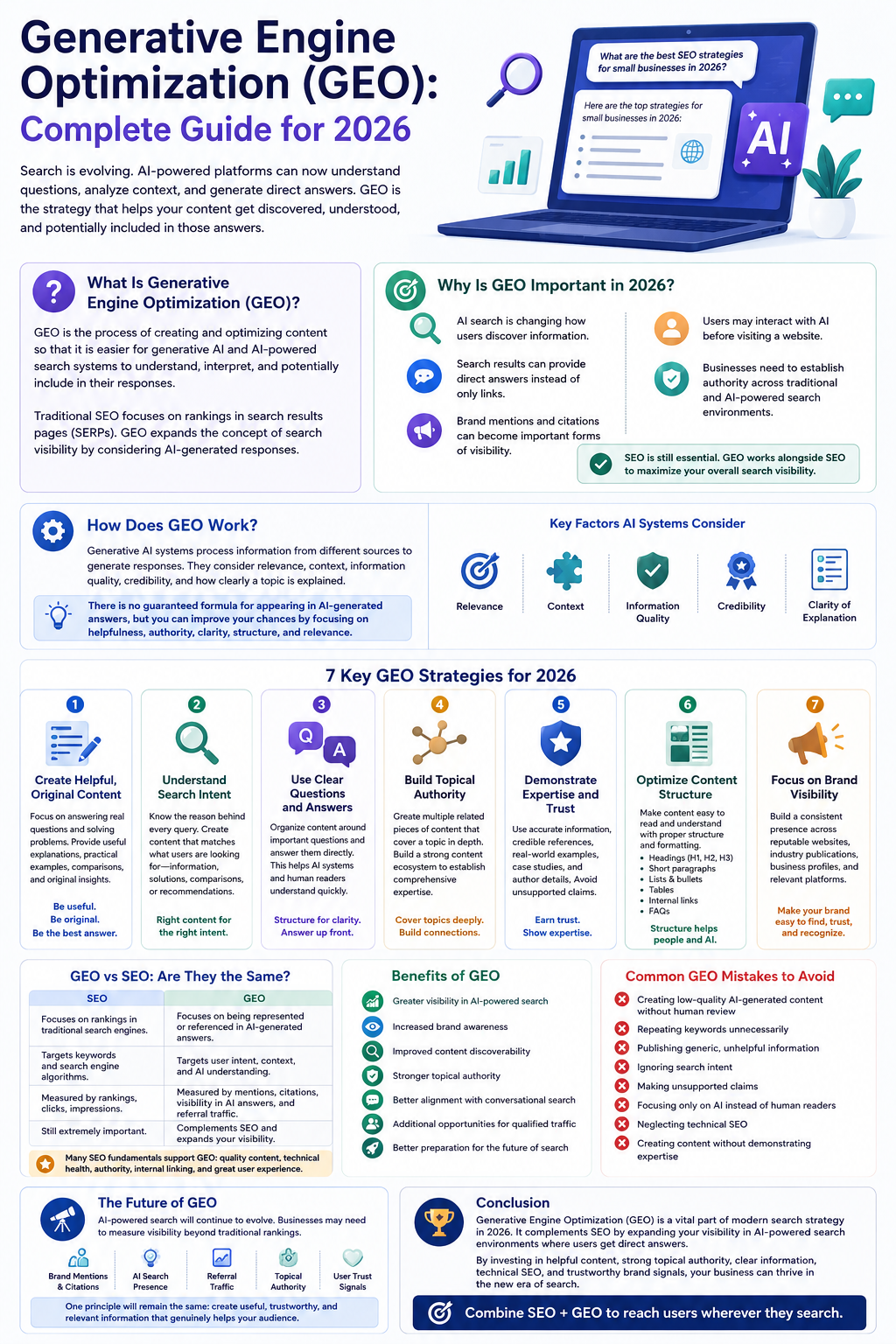
Zero-click SEO expands this approach by focusing on visibility throughout the search results page.
A successful SEO strategy in 2026 should consider both.
For example, a business can benefit when its website receives a click from an organic result, but it can also benefit when its brand appears in a featured snippet, local result, AI answer, or related search feature.
Therefore, zero-click SEO should not replace traditional SEO. Instead, it should become part of a broader search visibility strategy.
Common Zero-Click SEO Mistakes
Avoid these common mistakes:
- Focusing only on rankings and ignoring visibility
- Writing content only for keywords
- Providing unclear or overly long answers
- Ignoring search intent
- Using outdated information
- Neglecting local SEO
- Poor website structure
- Ignoring internal linking
- Using misleading structured data
- Publishing low-quality AI-generated content without human review
The goal should always be to provide useful information that genuinely helps the user.
Conclusion
Zero-click search is changing the way businesses approach SEO in 2026. Search engines are increasingly answering questions directly within search results, which means website owners need to focus on more than traditional organic rankings.
By understanding search intent, creating helpful content, answering questions directly, using structured data, building topical authority, improving E-E-A-T signals, and optimizing for local and AI-powered search features, businesses can improve their search visibility.
The future of SEO is not only about getting users to click. It is also about being visible, trustworthy, and recognizable wherever users search for information.
For businesses that adapt their SEO strategy to zero-click search, these changes can become an opportunity to build stronger online authority and long-term brand visibility.