
Introduction
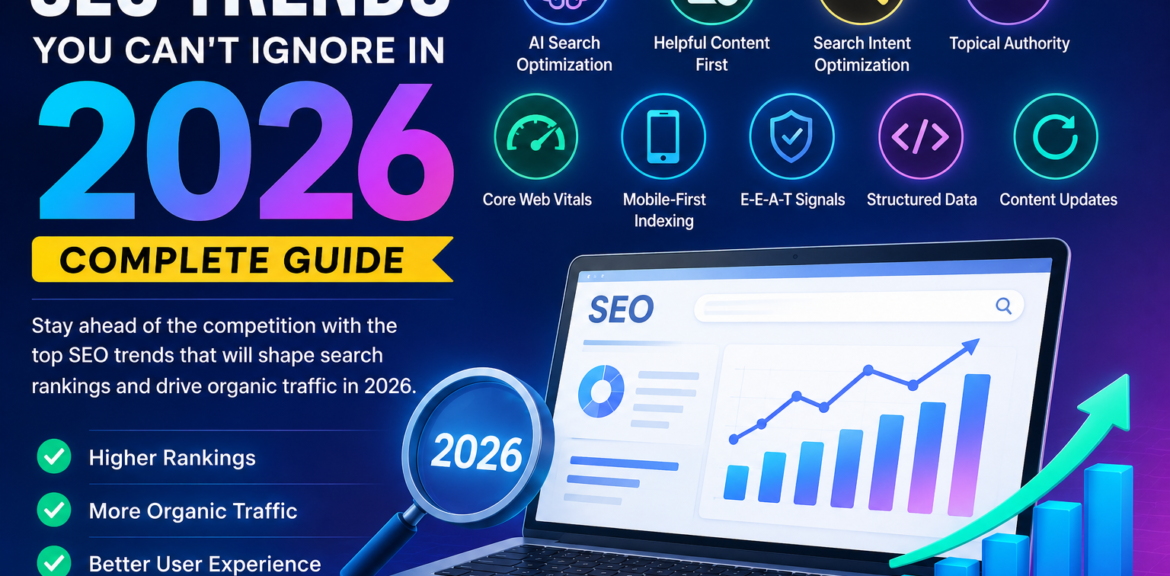
Search Engine Optimization (SEO) continues to evolve every year, and 2026 is no exception. Google’s search algorithms are becoming smarter, artificial intelligence is changing how users search for information, and search engines are placing more emphasis on user experience, content quality, and authority than ever before.
The SEO strategies that worked a few years ago may no longer deliver the same results today. Businesses that fail to adapt to these changes risk losing rankings, organic traffic, and valuable customers to competitors who embrace modern SEO practices.
Whether you’re a business owner, blogger, digital marketer, or SEO professional, staying updated with the latest SEO trends is essential for long-term success. In this guide, we’ll explore the biggest SEO trends you can’t ignore in 2026 and explain how to implement them to improve your search rankings.
Why Keeping Up with SEO Trends Matters
Google makes thousands of updates to its search algorithms every year. While many updates are minor, some significantly change how websites are ranked.
Ignoring these changes can result in:
- Declining keyword rankings
- Loss of organic traffic
- Lower visibility in search results
- Reduced leads and sales
- Outdated SEO strategies that no longer work
Following modern SEO trends helps ensure your website remains competitive and continues attracting high-quality organic traffic.
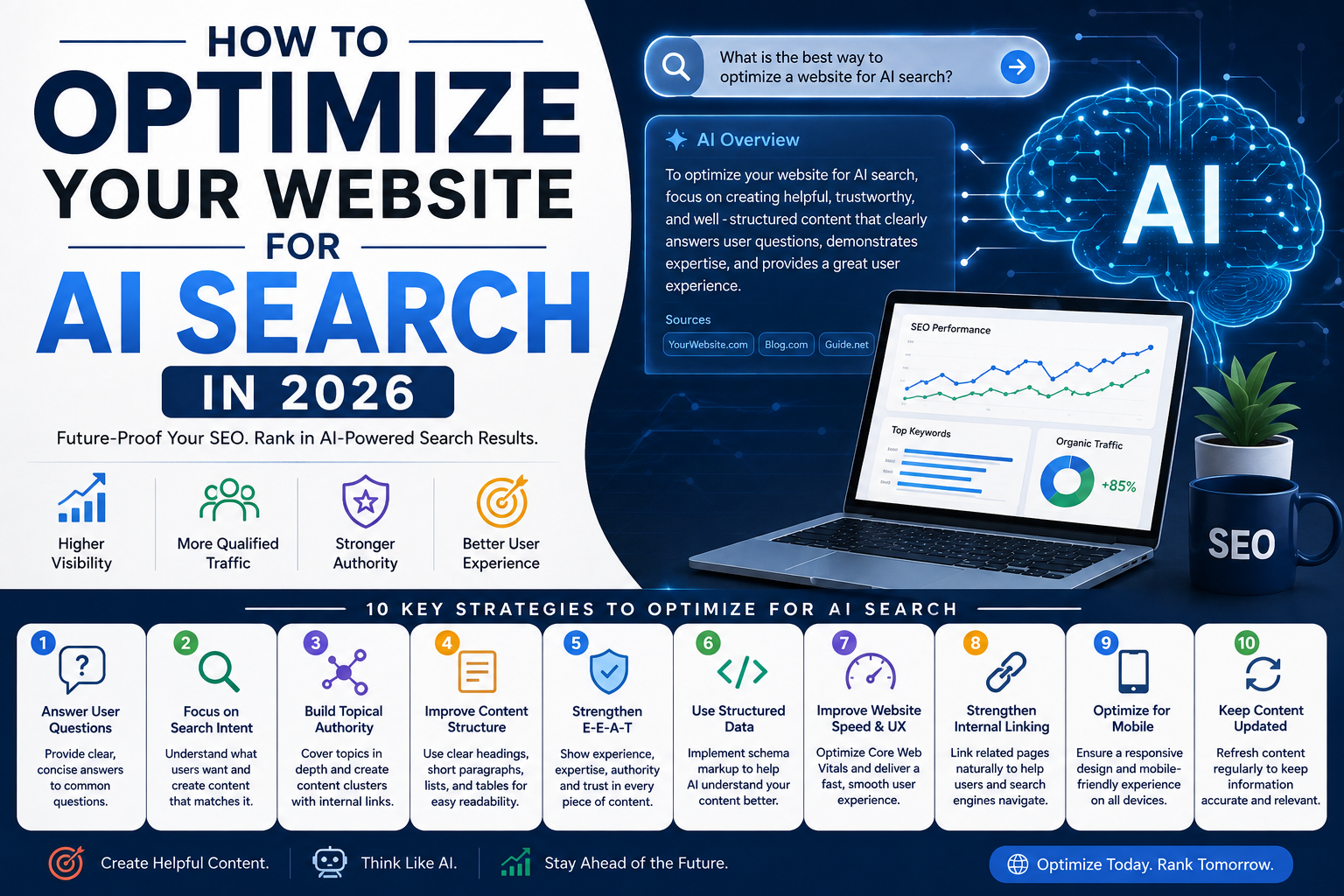
1. AI Search Optimization Is Becoming Essential
Why It Matters
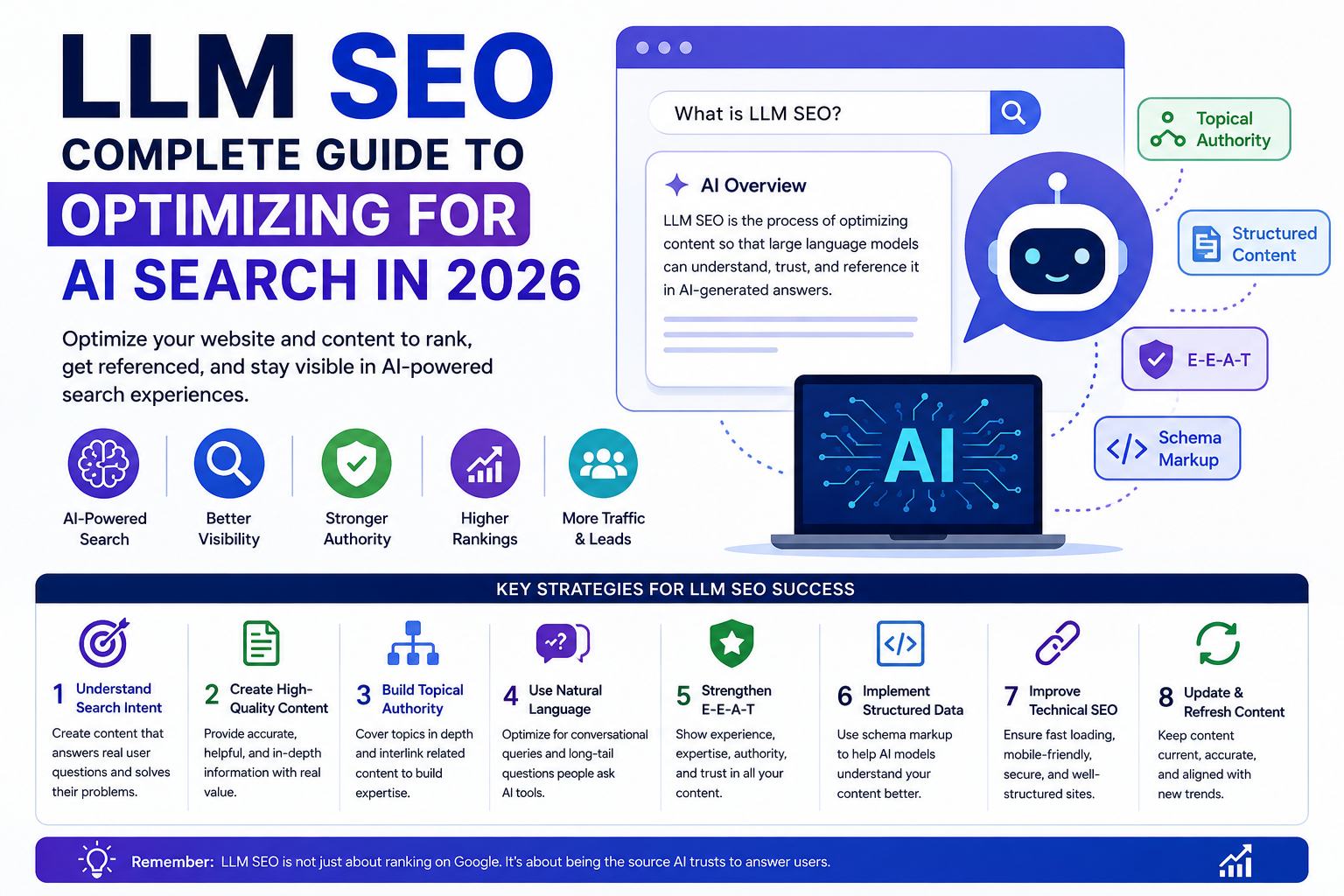
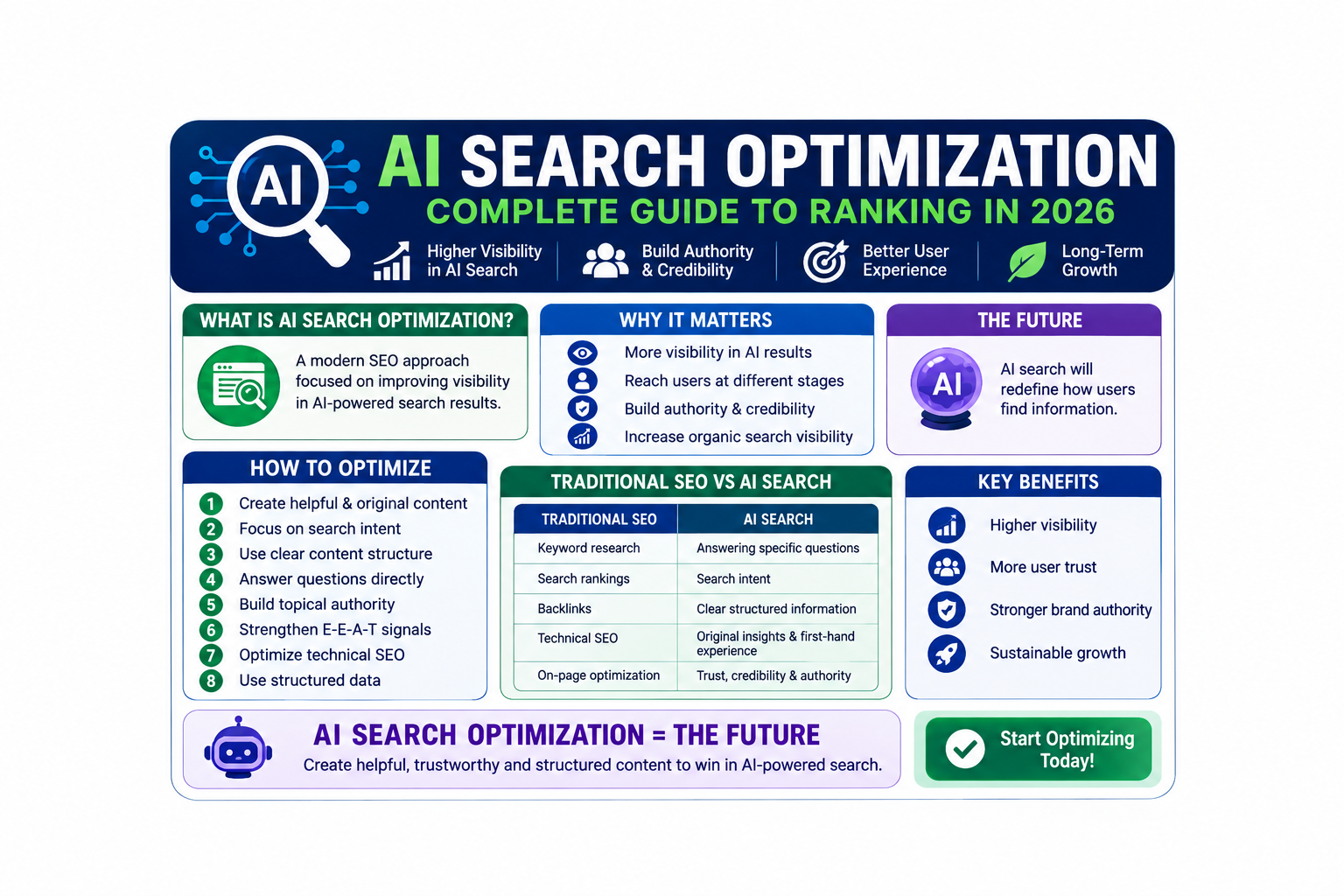
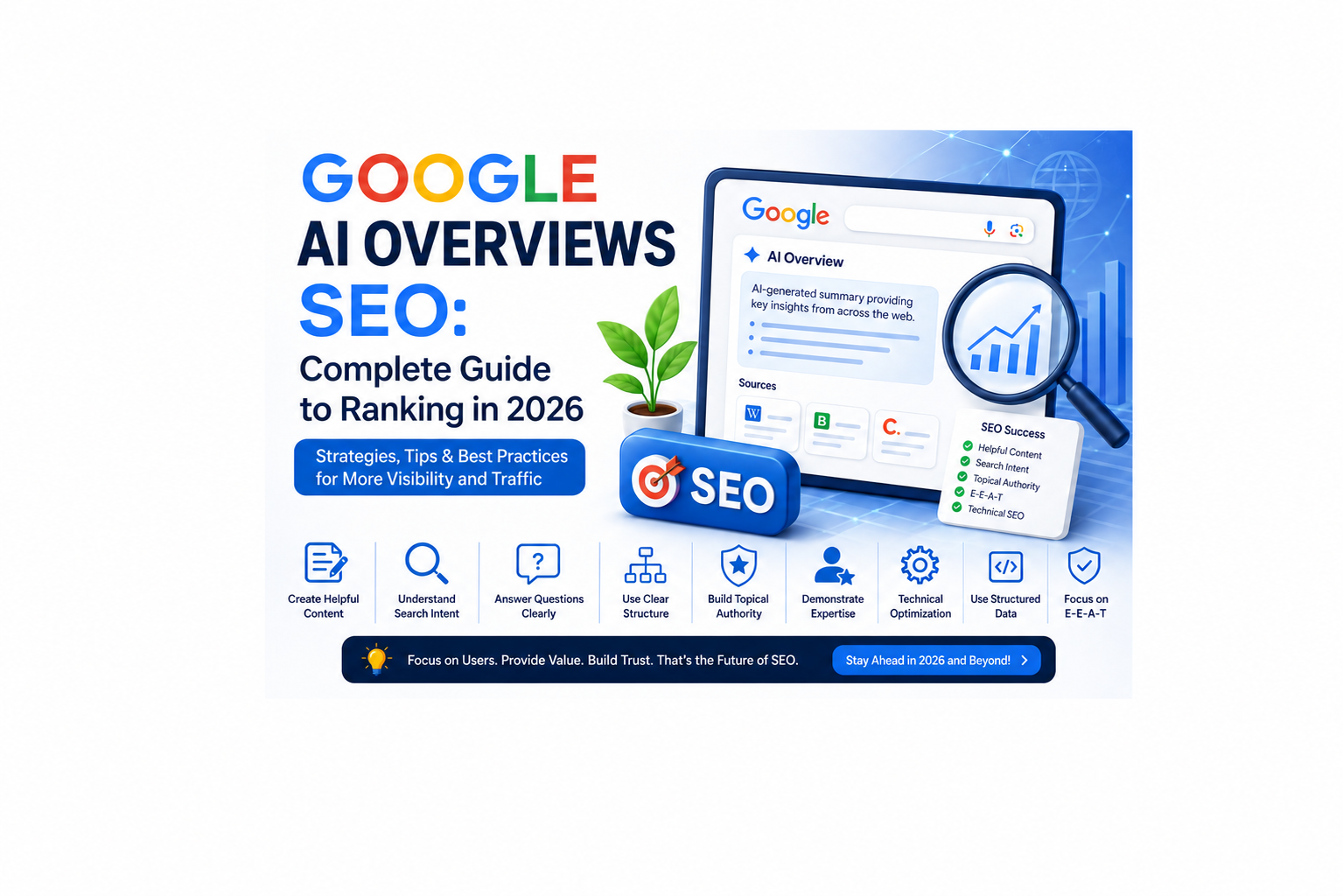
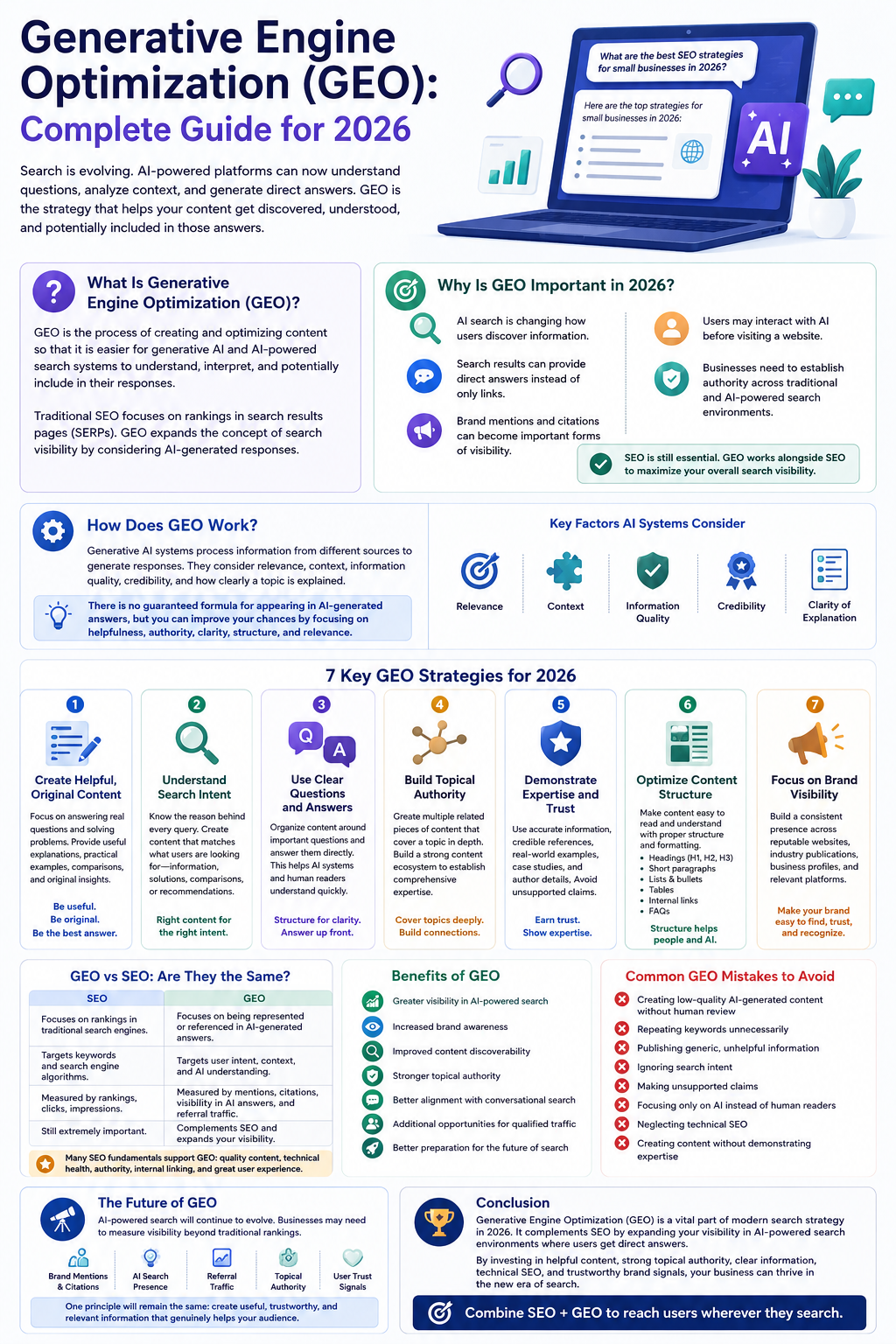
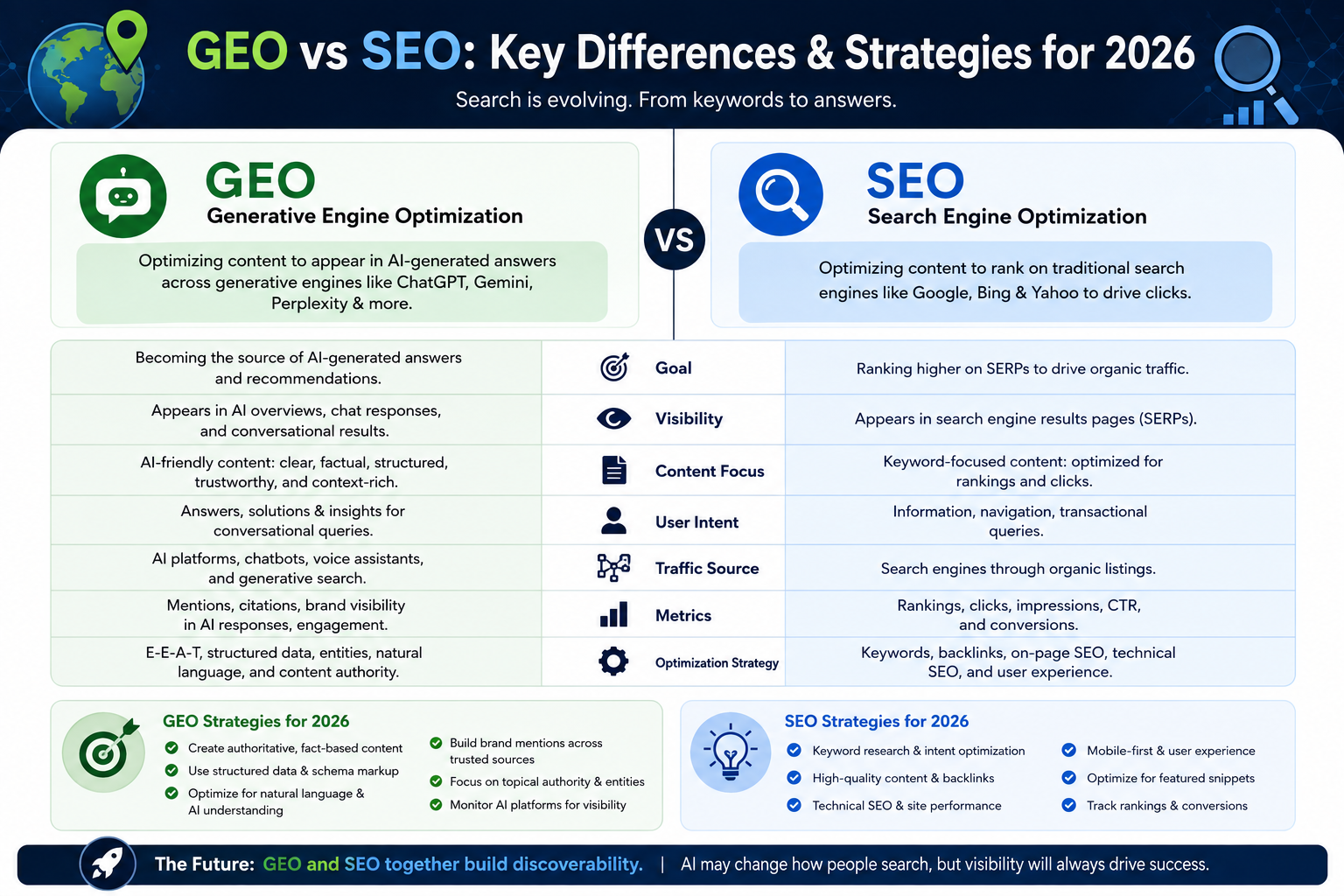
Artificial intelligence is transforming how people search online. Instead of typing short keywords, users now ask detailed questions and expect direct, conversational answers. Search engines are using AI to better understand intent and deliver more accurate results.
Websites that provide clear, structured, and genuinely helpful content are more likely to appear in AI-powered search experiences.
How to Optimize
- Write content that answers real user questions.
- Use natural language instead of keyword stuffing.
- Add FAQs to important pages.
- Organize content with clear headings.
- Cover topics comprehensively rather than focusing on a single keyword.
2. Helpful Content Remains the Top Ranking Factor
Why It Matters
Google continues to prioritize content created for people rather than search engines. Articles written only to manipulate rankings often struggle to perform.
Helpful content should solve a user’s problem completely and provide information that is accurate, trustworthy, and easy to understand.
Best Practices
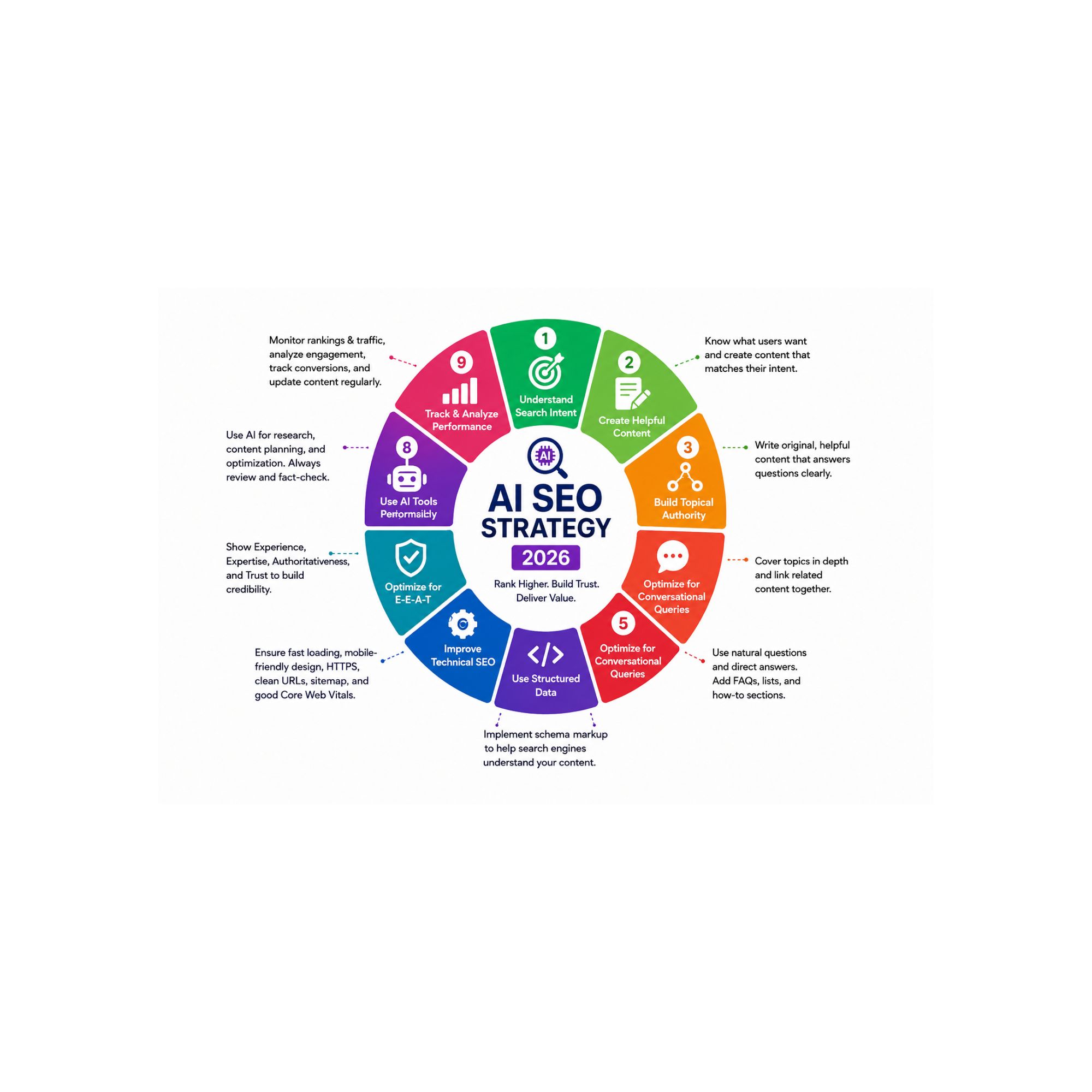
- Focus on user intent.
- Provide practical solutions.
- Include examples and step-by-step guidance.
- Keep content updated with the latest information.
- Avoid duplicate or thin content.
Quality will always outperform quantity.
3. Search Intent Is More Important Than Keywords
Why It Matters
Ranking today isn’t just about using the right keywords. Google wants to display pages that best match the reason behind a user’s search.
For example:
- Someone searching “What is Technical SEO?” expects an educational guide.
- Someone searching “Best SEO Agency Near Me” is likely looking to hire a service.
- Someone searching “SEO Pricing” wants to compare plans or costs.
How to Optimize
Before creating content:
- Analyze the top-ranking pages.
- Identify whether the search is informational, commercial, navigational, or transactional.
- Structure your content to satisfy that intent.
Matching user intent improves engagement and increases ranking potential.
4. Topical Authority Is Replacing Single-Keyword SEO
Why It Matters
Instead of ranking individual pages based only on keywords, Google increasingly evaluates whether your website demonstrates expertise across an entire topic.
A website with multiple high-quality articles covering every aspect of SEO is more likely to rank than a site with only one isolated article.
How to Build Topical Authority
Create content clusters around your niche.
For example, an SEO website might publish guides on:
- Keyword Research
- On-Page SEO
- Technical SEO
- Local SEO
- Link Building
- Google Search Console
- Core Web Vitals
- AI SEO
- SEO Checklists
Link these articles together using a strong internal linking strategy.
5. User Experience Continues to Influence Rankings
Why It Matters
Google rewards websites that offer an excellent browsing experience. Visitors should be able to navigate your website easily, find information quickly, and enjoy fast-loading pages.
Poor user experience often results in higher bounce rates and lower engagement.
Improve User Experience By
- Increasing page speed.
- Simplifying navigation.
- Using responsive design.
- Improving readability.
- Reducing intrusive pop-ups.
- Making pages visually organized.
Happy visitors often become loyal customers.
6. Core Web Vitals Still Matter
Why It Matters
Core Web Vitals remain important indicators of website performance and usability.
Google evaluates:
- Largest Contentful Paint (LCP)
- Interaction to Next Paint (INP)
- Cumulative Layout Shift (CLS)
Poor scores can reduce user satisfaction and impact search visibility.
Optimization Tips
- Compress images.
- Minimize unnecessary JavaScript.
- Enable browser caching.
- Improve server response time.
- Prevent layout shifts by reserving space for media.
A fast website benefits both users and search engines.
7. Mobile-First Optimization Is Non-Negotiable
Why It Matters
Most internet users browse websites on smartphones, and Google primarily indexes the mobile version of your website.
If your site performs poorly on mobile devices, your rankings may suffer even if the desktop experience is excellent.
Best Practices
- Use responsive layouts.
- Optimize images for mobile.
- Improve loading speed.
- Increase font size for readability.
- Ensure buttons are easy to tap.
Always test your website on multiple screen sizes.
8. EEAT Signals Are Becoming Stronger
What Is EEAT?
EEAT stands for:
- Experience
- Expertise
- Authoritativeness
- Trustworthiness
Google evaluates whether your content demonstrates real knowledge and credibility.
How to Improve EEAT
- Publish accurate and well-researched content.
- Display author information.
- Include company details and contact information.
- Reference reliable sources where appropriate.
- Keep information current and factually correct.
Trust plays a significant role in long-term SEO success.
9. Structured Data Helps Search Engines Understand Content
Why It Matters
Structured data, also known as Schema Markup, helps search engines understand the meaning of your pages and can increase your chances of earning rich results.
Examples include:
- FAQ Schema
- Article Schema
- Breadcrumb Schema
- Organization Schema
- Local Business Schema
- Product Schema
- Review Schema
Proper schema implementation can improve visibility and click-through rates.
10. Continuous Content Updates Are Essential
Why It Matters
Publishing a blog once and forgetting about it is no longer enough.
Google prefers fresh, relevant, and regularly updated content.
How to Keep Content Fresh
- Update statistics.
- Add new sections.
- Refresh screenshots.
- Improve internal links.
- Expand FAQs.
- Remove outdated information.
Refreshing older articles often produces faster ranking improvements than creating entirely new content.
Bonus SEO Tips for 2026
To stay ahead of your competitors:
- Focus on creating original content.
- Build high-quality backlinks naturally.
- Strengthen internal linking.
- Monitor Google Search Console regularly.
- Improve click-through rates with better titles and meta descriptions.
- Optimize images and videos.
- Track keyword performance consistently.
- Publish content based on user questions and real search intent.
SEO success comes from continuous improvement rather than one-time optimization.
Frequently Asked Questions
What is the biggest SEO trend in 2026?
AI-powered search optimization and creating genuinely helpful content are among the most significant SEO trends in 2026. Websites that answer user questions clearly and demonstrate expertise are more likely to perform well.
Is keyword research still important?
Yes. Keyword research remains essential, but understanding search intent and covering topics comprehensively is even more important than simply targeting individual keywords.
Does AI-generated content rank on Google?
AI-assisted content can rank if it is accurate, original, helpful, and reviewed by a knowledgeable human. Content created solely to manipulate rankings without providing value is unlikely to perform well.
How often should I update my SEO strategy?
Review your SEO strategy every few months and stay informed about major search engine updates. Regular audits help you identify opportunities and address issues before they affect rankings.
Final Thoughts
SEO in 2026 is no longer just about keywords and backlinks. Search engines now evaluate how well your content satisfies user intent, how trustworthy your website is, and how enjoyable it is for visitors to use. Businesses that embrace AI search optimization, build topical authority, improve user experience, and consistently publish high-quality content will have a clear advantage in search results.
Instead of chasing quick wins or outdated tactics, focus on creating long-term value for your audience. By adapting to these evolving SEO trends, you’ll be better positioned to earn higher rankings, attract more organic traffic, and build a stronger online presence in the years ahead.