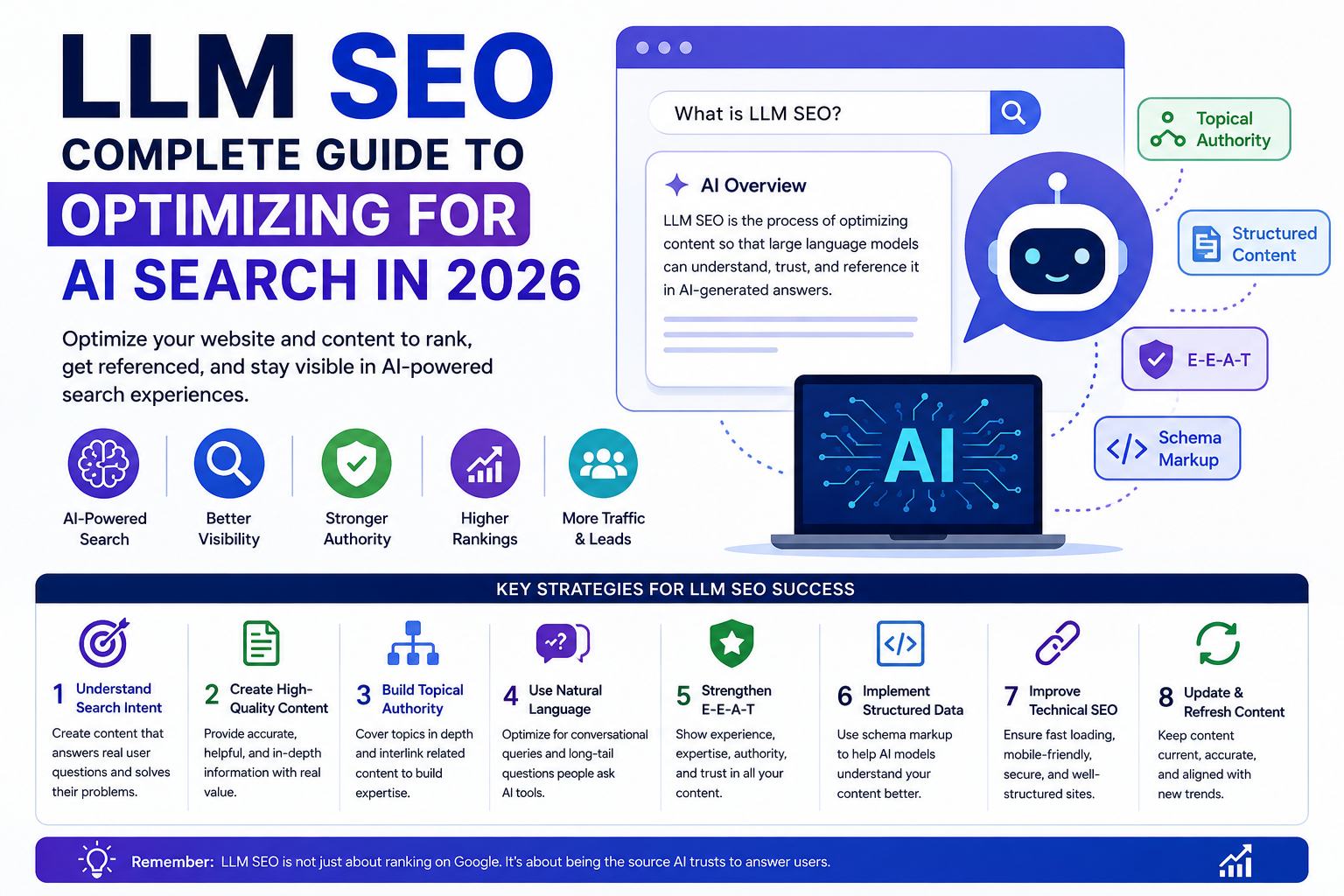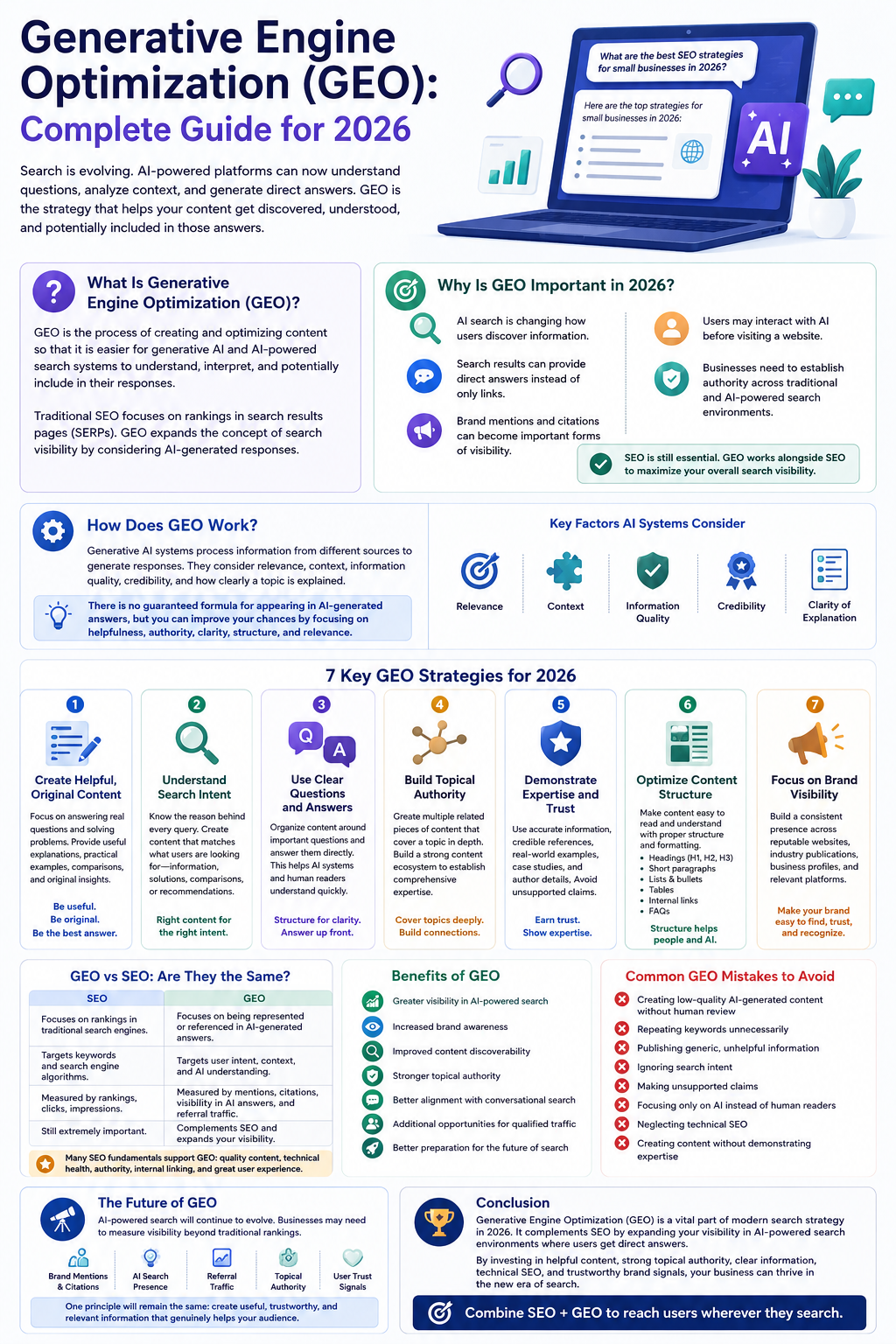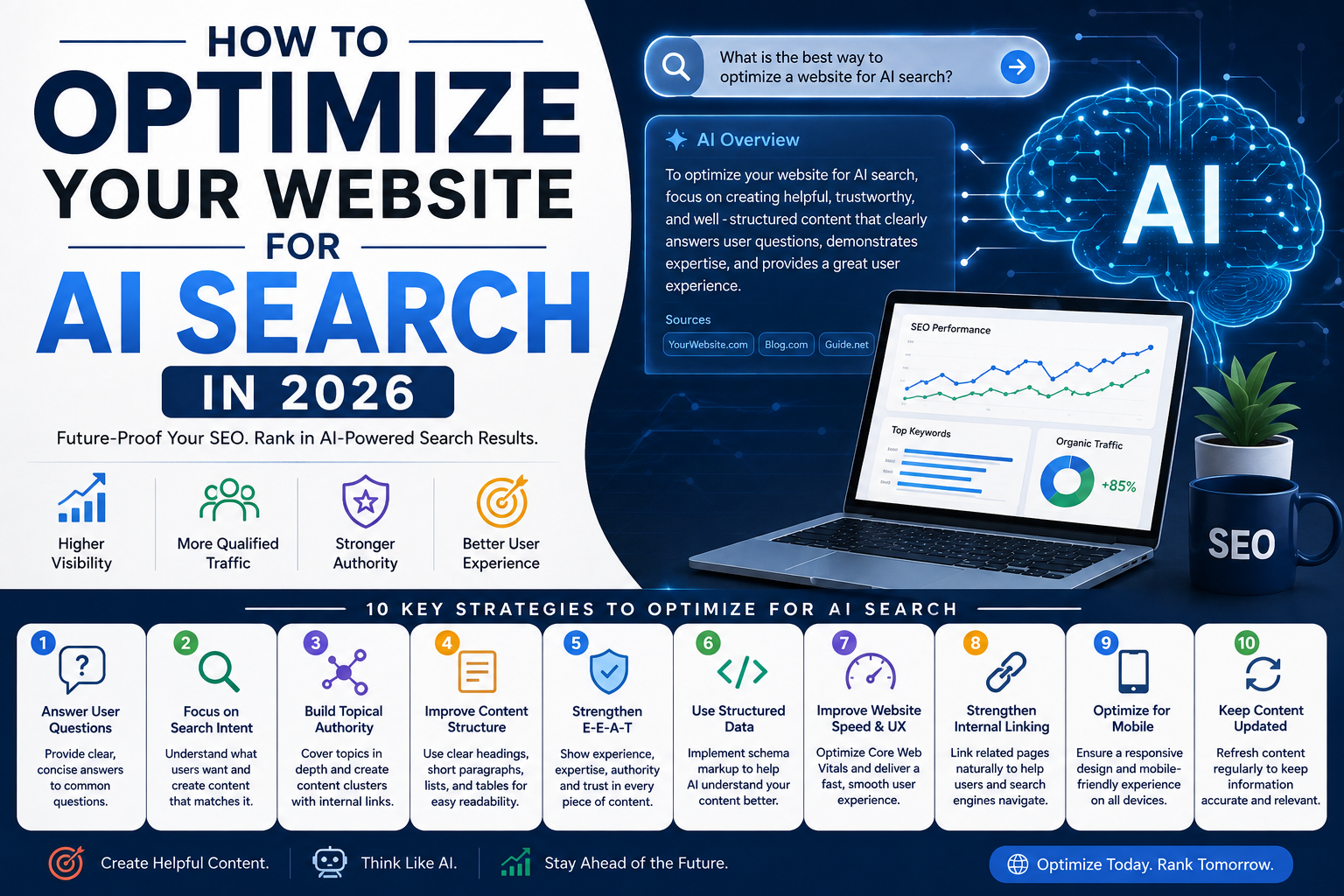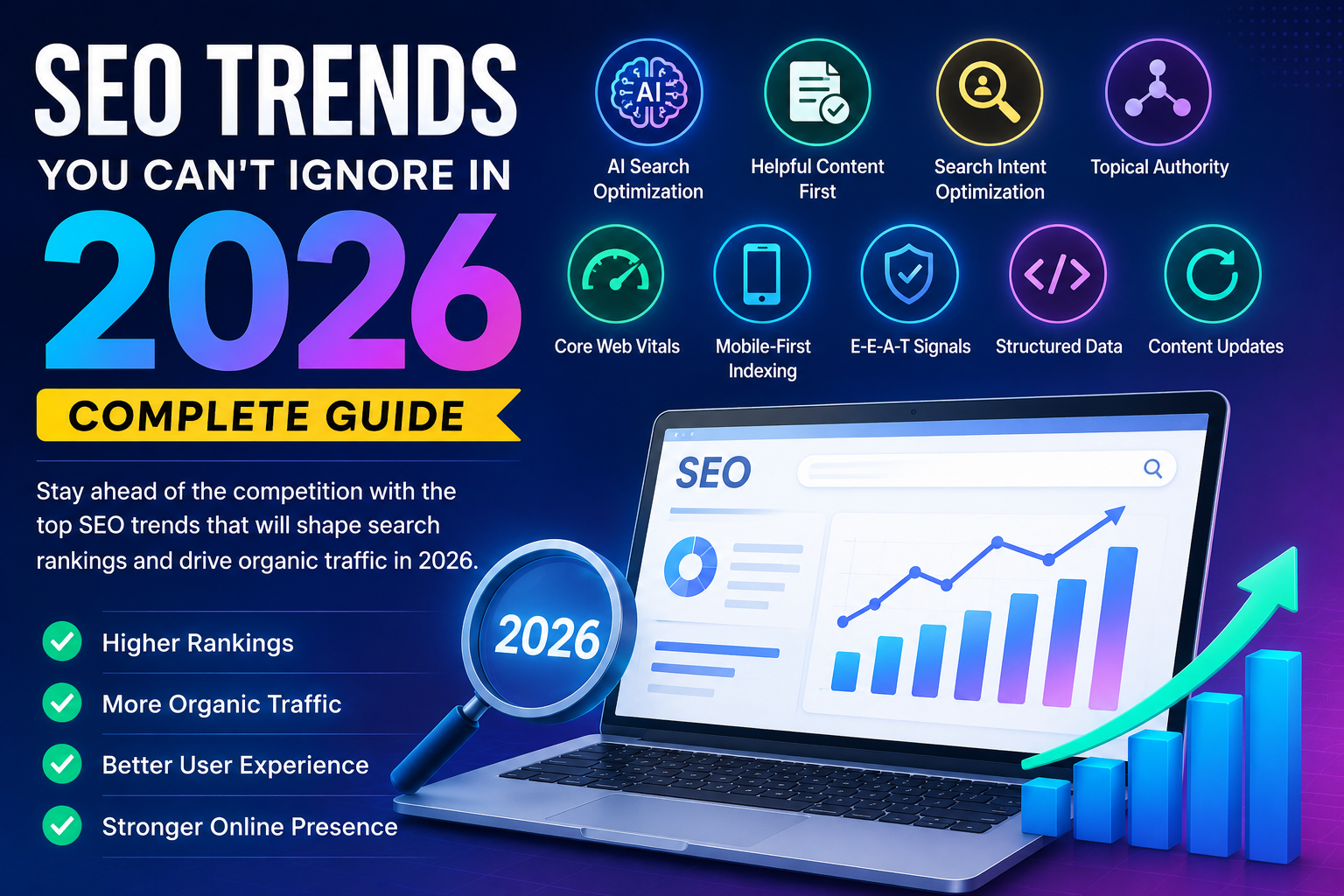

Search is changing quickly, and artificial intelligence is becoming a major part of how people find information online. Google has introduced AI-powered features that can provide users with summarized answers directly within search results. One of the most important developments is Google AI Overviews.
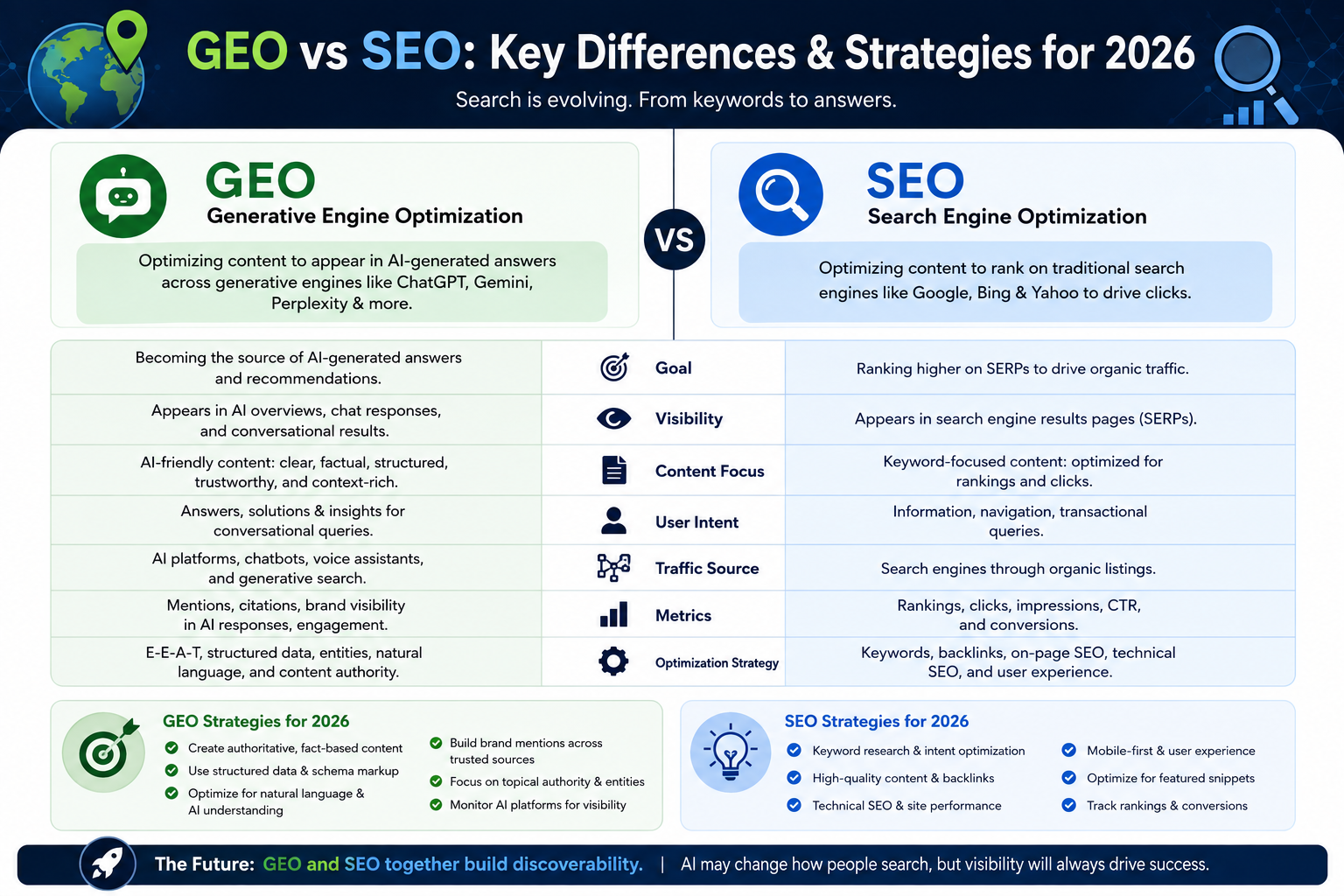
For website owners, marketers, and SEO professionals, this creates both opportunities and challenges. Traditional SEO focuses on ranking webpages in search results, while Google AI Overviews can provide a summarized response before users click on individual websites.
This makes Google AI Overviews SEO an important topic for businesses that want to maintain visibility and reach potential customers in 2026.
What Are Google AI Overviews?
Google AI Overviews are AI-generated summaries that can appear at the top of Google Search for certain queries. They are designed to help users understand a topic quickly by bringing together information from relevant sources.
Instead of showing only traditional search listings, Google may provide an AI-generated overview followed by links to supporting webpages.
For example, if someone searches:
“How can I improve my website SEO?”
Google may provide an AI-generated summary explaining important SEO techniques and include links to relevant sources for users who want to learn more.
This changes the search experience because users can receive useful information without immediately clicking through several search results.
Why Are AI Overviews Important for SEO?
Google AI Overviews can change how users interact with search results.
A traditional search result generally encourages users to choose from a list of webpages. An AI Overview can answer part of the user’s question directly.
For businesses, this means visibility is no longer only about achieving a high traditional ranking. Being included or referenced in an AI-generated response can provide another opportunity for brand exposure.
Google AI Overviews SEO focuses on creating content that is useful, trustworthy, relevant, and easy for search systems to understand.
How Does Google AI Overviews SEO Work?
There is no guaranteed method for making a webpage appear in an AI Overview. Google determines which information is useful and relevant for each query.
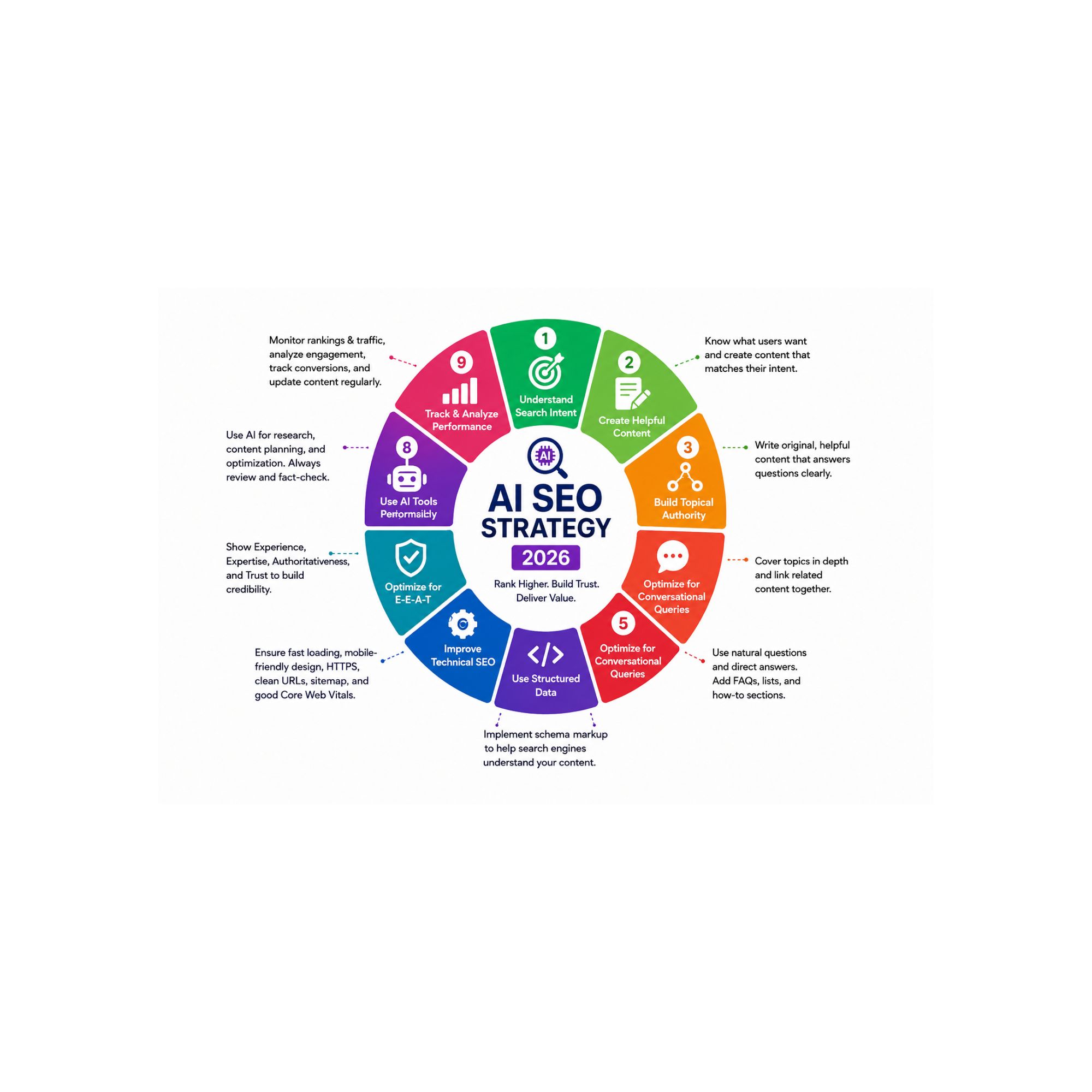
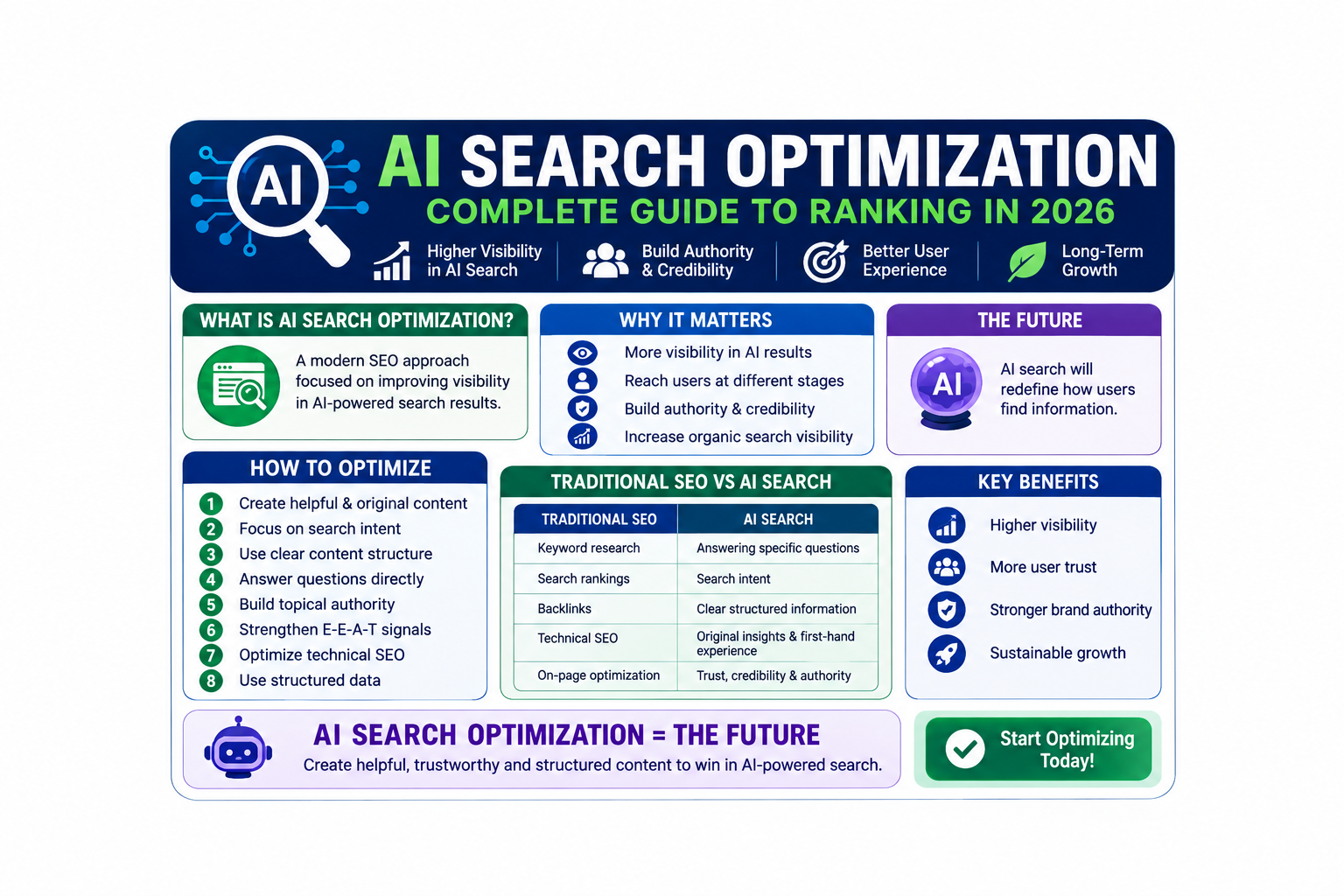
However, many established SEO principles can help your website create content that is suitable for AI-powered search experiences.
The goal should not be to manipulate AI Overviews. Instead, businesses should focus on providing the best possible information for users.
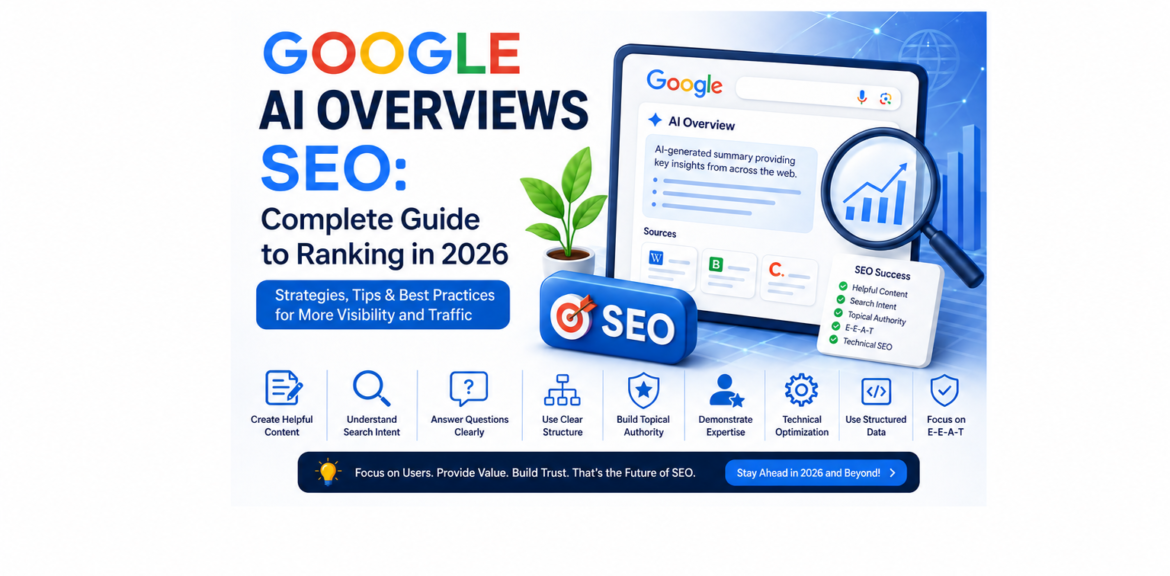
1. Create Helpful and Original Content
High-quality content is one of the most important parts of modern SEO.
Create content that answers real questions and provides information users cannot easily get from a generic article.
For example, instead of writing a basic article about SEO, provide:
- Practical strategies
- Original examples
- Step-by-step explanations
- Expert insights
- Relevant statistics
- Case studies
- Useful comparisons
Avoid publishing content that simply repeats information available on hundreds of other websites.
2. Understand Search Intent
Search intent is the reason behind a user’s search query.
Understanding intent is especially important for AI-powered search because users often ask complete questions.
For example:
Informational intent:
“What is technical SEO?”
Commercial intent:
“Best SEO tools for small businesses”
Transactional intent:
“Buy SEO software”
Navigational intent:
“Google Search Console login”
Your content should match the intent behind the query rather than focusing only on a particular keyword.
3. Answer Questions Clearly
AI-powered search is designed to understand questions and provide direct answers.
Make important information easy to find by using clear headings and concise explanations.
For example, if your article is about technical SEO, include sections such as:
- What is Technical SEO?
- Why is Technical SEO Important?
- How to Improve Technical SEO
- Technical SEO Checklist
- Common Technical SEO Problems
Provide a direct answer near the beginning of each section and then explain the topic in greater detail.
4. Use Clear Content Structure
A well-organized webpage is easier for users to read and easier for search systems to understand.
Use:
- One clear H1 heading
- Relevant H2 and H3 headings
- Short paragraphs
- Bullet points
- Numbered lists
- Tables when appropriate
- Descriptive URLs
- Relevant internal links
Avoid unnecessary repetition and overly complicated sentences.
A clear structure also makes it easier for users to quickly find the information they need.
5. Build Topical Authority
One article is rarely enough to establish strong authority around a subject.
Create multiple useful pieces of content covering related topics.
For example, a website targeting SEO could publish content about:
- On-page SEO
- Technical SEO
- Local SEO
- Keyword research
- Link building
- AI SEO
- Google AI Overviews
- Generative Engine Optimization
- SEO content strategy
- Search intent
Link related articles together using relevant internal links.
This helps create a strong topical structure and gives users additional resources.
6. Demonstrate Experience and Expertise
Trust is an important part of high-quality content.
Where appropriate, show who created the content and why they are qualified to discuss the subject.
You can strengthen content by including:
- Author information
- First-hand experience
- Original research
- Real examples
- Case studies
- Credible sources
- Accurate business information
Avoid making unsupported claims or presenting inaccurate information.
7. Optimize Your Website Technically
Content quality is important, but technical SEO should not be ignored.
Make sure your website:
- Loads efficiently
- Works well on mobile devices
- Uses HTTPS
- Has a logical URL structure
- Can be crawled by search engines
- Has an accessible XML sitemap
- Uses appropriate canonical URLs
- Avoids unnecessary duplicate content
- Provides a good user experience
Technical problems can make it harder for search engines to crawl, understand, and index your website.
8. Use Structured Data Where Appropriate
Structured data helps provide search engines with additional information about the content of a webpage.
Depending on the page, relevant structured data may include information about articles, products, organizations, local businesses, events, or other supported content types.
Structured data does not guarantee inclusion in AI Overviews, but accurate implementation can help search engines better understand the page.
Always follow Google’s current structured-data guidelines rather than adding markup simply to influence search appearance.
9. Focus on E-E-A-T
Google emphasizes the importance of Experience, Expertise, Authoritativeness, and Trustworthiness (E-E-A-T) when evaluating content quality.
To improve these signals:
- Provide accurate information.
- Demonstrate real experience where relevant.
- Use credible sources.
- Keep content updated.
- Clearly identify authors when appropriate.
- Maintain accurate business information.
For topics that can significantly affect people’s health, finances, safety, or well-being, accuracy and trust are especially important.
Common Mistakes in Google AI Overviews SEO
Businesses should avoid treating AI Overviews as a shortcut for SEO.
Common mistakes include:
- Keyword stuffing
- Creating thin or generic content
- Publishing unedited AI-generated content
- Making unsupported claims
- Copying competitors
- Ignoring search intent
- Using misleading titles
- Neglecting technical SEO
- Creating content only for search engines
AI tools can help with research and content workflows, but human review and expertise remain important for producing accurate and valuable content.
Does Ranking #1 Guarantee an AI Overview?
No.
A traditional organic ranking and inclusion in an AI Overview are not exactly the same thing. A webpage can rank well organically without necessarily being referenced in an AI-generated response.
Similarly, appearing in an AI Overview should not be treated as a guaranteed source of traffic.
The best approach is to focus on overall search visibility rather than trying to optimize for one specific feature.
The Future of Google AI Overviews SEO
AI-powered search is likely to continue evolving throughout 2026 and beyond.
Search engines may increasingly provide direct answers, comparisons, summaries, and recommendations. This means businesses will need to create content that is useful not only for traditional rankings but also for changing search experiences.
SEO professionals should monitor changes in search behavior, analyze website performance, update content regularly, and continue focusing on user needs.
Conclusion
Google AI Overviews SEO is becoming an important part of modern search optimization. While there is no guaranteed formula for appearing in an AI Overview, businesses can improve their overall search visibility by creating helpful content, matching search intent, building topical authority, demonstrating expertise, and maintaining strong technical SEO.
The goal should not be to create content specifically for algorithms. Instead, focus on creating accurate, original, trustworthy, and useful information that genuinely helps users.
In 2026, successful SEO is becoming broader than traditional keyword rankings. By combining strong SEO fundamentals with high-quality content and an understanding of AI-powered search, businesses can be better prepared for the future of Google Search.